A Less Generic Way to Think About Creative Habits
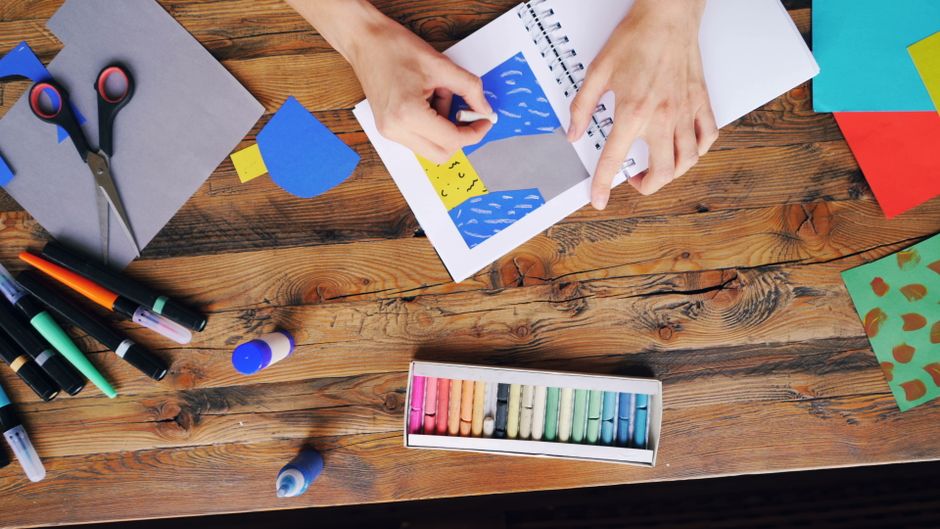
As the evening light filters through the window, casting a warm glow over my art desk corner, I reach for my sketchbook, ready to dive into a quick creative session. The familiar smell of coffee lingers in the air, and I can see my favorite pen lying next to the notebook, waiting for my thoughts. This quiet moment before dinner feels perfect for journaling, yet I can’t shake the nagging feeling that I’ve let a few days slip by without capturing my ideas. The supplies I need are zipped up in a bag, tucked away instead of spread out, making it harder to jump right in. I know I should have left my tools out, ready for action, but here I am, faced with the friction of a missed opportunity.
Each time I sit down, I find myself staring at the blank page, unsure of where to start. The next step in my creative photo project was never marked, and without a clear direction, the momentum fades. I could jot down a quick note for my next session, a reminder of what I wanted to explore, but the thought slips away as I hesitate. This cycle of missed journaling sessions becomes all too familiar, and I realize that the simple act of keeping my materials accessible could make all the difference. Yet, here I am again, grappling with the same obstacles that keep my creative habits from flourishing.
The Routine Begins to Slip
My art desk sits in the corner of the living room, cluttered with a sketchbook, a pen, and a half-drunk coffee mug. The remnants of my last creative session linger, a silent reminder of my intention to journal more frequently. As the evening light fades, I find a quiet block of time before dinner, yet I hesitate. The supplies stay zipped in a bag, tucked away, and the thought of pulling everything out feels like an uphill battle. With each passing moment, distractions creep in—my phone buzzes, and the television hums in the background, pulling my focus away from the blank page waiting for my ideas.
When I finally decide to start, I realize that the next step in my creative photo project was never marked. I could have easily left a note in my sketchbook, a simple reminder of what I wanted to explore next, but that thought slips away. Instead, I sit there, pen in hand, staring at the empty page, feeling the weight of missed opportunities. I know that if I had just left my materials accessible, I could dive right into journaling without the friction of setup. The intention is there, but without a plan or a clear starting point, my creative habit begins to falter once again.
The First Step That Gets Skipped
At the corner of my art desk, the sketchbook remains zipped inside a bag, a missed opportunity for creativity. As I settle in for a short session after dinner, I glance at the clock, noting the quiet block of time before work tomorrow. This moment feels ripe for journaling, yet the first step—unpacking my supplies—never happens. Instead, I reach for my coffee mug, hoping the caffeine will spark inspiration, but the barrier of setup looms large.
Just as I muster the will to begin, my phone buzzes with a notification. The sound slices through the stillness, pulling my attention away from the blank page and the ideas swirling in my mind. I check the message, and suddenly, the creative flow is interrupted. I realize I could have easily left a note in my sketchbook, marking the next step for my photo project, a simple reminder to guide my thoughts. But now, without that prompt, I sit there, pen in hand, feeling the weight of missed sessions piling up.
To avoid this friction in the future, I could place my sketchbook on the desk each night, ready for immediate use. Leaving it accessible would eliminate the need for setup and allow me to dive straight into my creative session. A small adjustment, yet it could make all the difference in maintaining my journaling habit. The next time I sit down to create, I’ll remember to check that my tools are out and waiting, ensuring I don’t skip that crucial first step again.
What to Check Before the Phone Takes Over
After a few days away from my creative journaling, I find myself at my art desk corner, staring at my sketchbook. The blank pages feel daunting, and I realize that my good intentions to resume have stumbled over a few hidden obstacles. To make sure I don’t get derailed again, I can run through a quick checklist that addresses the common pitfalls that often lead to missed sessions.
- Sketchbook Placement: Ensure my sketchbook is open and positioned front and center on the desk. This visibility acts as a prompt, reminding me to dive in without fumbling through a bag to find it.
- Phone Management: Keep my phone out of reach, perhaps in another room, to prevent distractions. The temptation to check notifications can easily pull me away from the creative flow.
- Set a Timer: Before starting, I’ll set a timer for five minutes. This small commitment encourages me to begin, knowing I can stop if I feel stuck, which often leads to a longer session once I get going.
These steps are simple yet crucial. I’ve often found that even with the best intentions, if my supplies stay zipped in a bag or my phone is within arm's reach, I’ll lose momentum. By taking these small actions, I can create a smoother path back into my creative routine, ensuring my next journaling session feels less like a chore and more like a natural part of my evening.
A Better Order for the Same Five Minutes
A slightly different version of this problem appears in Creative Hobbies For Adults, where the sequence changes but the hidden drag feels familiar.
Returning to my art desk after a few missed journaling sessions often feels daunting. The notebook lies closed, and the pen sits capped, signaling a barrier rather than an invitation. To make the transition smoother, I’ve started leaving the pen uncapped and resting beside the open sketchbook. This small adjustment transforms my desk into a welcoming space, one that beckons me to start without the friction of unscrewing a lid or fumbling for supplies.
Before diving into a full journaling session, I take a moment to doodle or jot down a quick note about my day. This simple act serves as an icebreaker, easing me into the creative mindset. It’s a low-pressure way to engage with my materials, and it often leads to deeper thoughts flowing onto the page. I keep a coffee mug nearby, filled with my favorite brew, which adds to the comfort of the space and makes it feel like a treat rather than a task.
One sequence change I’ve implemented is to always begin with this quick sketch or note. It allows me to mark that next step clearly, so I know I’ve engaged with my creative habit. If I skip this, I find myself staring at the blank page, feeling overwhelmed by the expectation of a polished entry. Instead, by prioritizing this small act, I can break the cycle of missed sessions and ensure that my art desk remains a space of inspiration.
How One Small Change Affects Tomorrow's Session
If this pattern keeps repeating, Starting New Hobbies Slowly extends the idea without leaving the niche.
Returning to my art desk after a few missed days can feel daunting, especially when the supplies are still zipped in their bag. However, I’ve found that leaving my sketchbook open on the desk makes a significant difference. The sight of that blank page invites me back, creating a welcoming space for creativity rather than a barrier. When I sit down with my coffee mug, the sketchbook is already there, ready for my thoughts.
Before I wrap up each session, I take a moment to jot down a quick note in the corner of the page. This note serves as a reminder of what I want to focus on next time, whether it’s a specific photo project idea or a technique I want to explore. By marking this next step, I eliminate that frustrating blank slate feeling. Instead of wondering where to begin, I have a clear direction that guides my next creative session.
When I come back, the combination of an open sketchbook and a simple note makes the process feel less like a chore and more like a continuation of a story. This small adjustment not only eases my transition back into journaling but also helps maintain my creative habit over time. It’s a straightforward yet effective way to ensure that my art desk remains a space of inspiration and productivity.
Returning to your creative journaling habit after a few missed days can feel daunting, especially when your supplies have been tucked away in a bag. This small barrier can lead to a mental block, making it easy to skip another session. Instead, try leaving your sketchbook and pen out on your art desk corner, visible and inviting. This simple act transforms your workspace into a constant reminder of your creative intentions.
As you settle down for a quiet moment before work or after dinner, take a quick glance at the open sketchbook. The sight of it prompts you to jot down a note for your next session, perhaps a new photo idea or a technique you want to explore. By marking this next step, you not only ease back into the rhythm of journaling but also ensure that your creative projects continue to flow seamlessly. This small adjustment can make all the difference in maintaining your creative habit amidst the hustle of daily life.