Navigating Creative Friction: A Case of the Sketchbook Restart
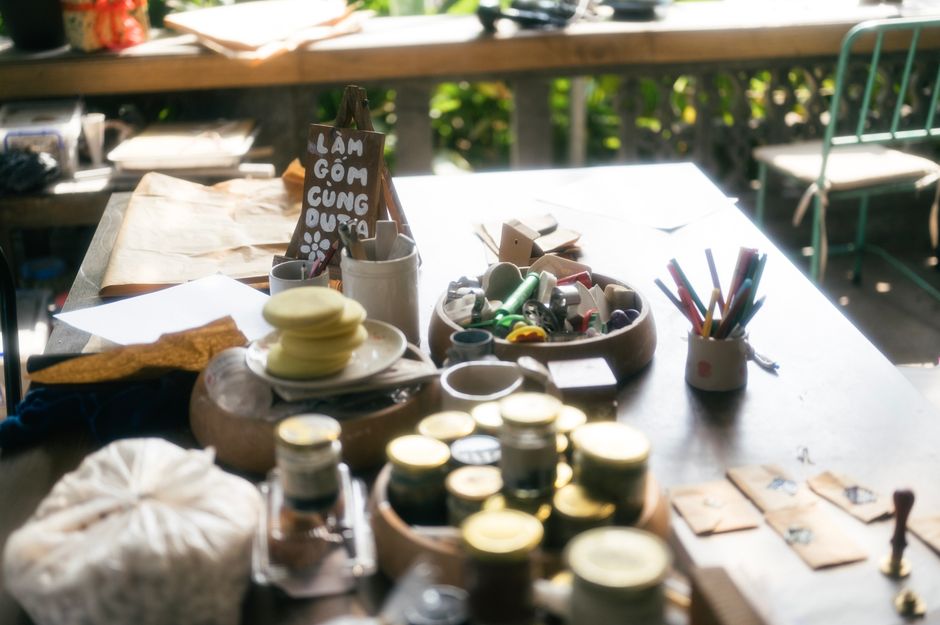
At the corner of my home desk, the sketchbook lies open, its pages slightly crinkled from the last creative session. A quiet block of time stretches before me, just after dinner, when I usually dive into my creative hobbies. Today, however, my supplies remain zipped inside a bag, a barrier between intention and action. The familiar sight of my notebook and pen, nestled beside a half-empty coffee mug, reminds me of the projects waiting to be revived. I can almost hear the blank pages calling, but the friction of unprepared materials holds me back.
As I glance at the sketchbook's edge, I realize that simply reaching for the bag won’t suffice. I need to take a moment to unpack and lay out my supplies, creating a ready-to-start setup that invites creativity. Without this small adjustment, I risk losing the momentum I’ve built over previous sessions. The act of photographing the current state of my desk could serve as a visual anchor, capturing the moment before I dive into the mess of ideas and sketches. Each time I skip this step, I feel the weight of missed opportunities, a reminder of how easily a creative session can stall when the setup isn’t just right.
The Moment That Stalls Creativity
Sitting at my home desk, I face a familiar sight: a cluttered workspace filled with a half-empty coffee mug, a sketchbook, and a pen. The remnants of my last creative session linger, and the sketchbook lies open, its blank pages both inviting and intimidating. It’s a quiet block of time after dinner, just before I dive into evening chores, and I feel the urge to create. Yet, the disarray around me pulls my focus away from the task at hand.
The supplies I need for my craft project are nearby but still zipped inside a bag, a barrier between my intention and action. I know that simply pulling out the sketchbook won’t be enough. I take a deep breath and decide to clear the desk first. I push aside the coffee mug, making room for my materials. As I unzip the bag, I can hear the rustle of paper and the clink of tools, but I hesitate. I need to lay everything out in a way that feels inviting, not overwhelming.
With a quick check, I pull out my colored pencils and a few sheets of textured paper, placing them neatly next to the sketchbook. This small adjustment transforms the space into a ready-to-start setup, reducing the friction that had stalled my creativity. I snap a quick photo of the arrangement before diving in; it serves as a reminder of this moment, a visual cue to return to when the chaos of life threatens to disrupt my creative flow again.
The Setup Mistake That Slows Progress
My sketchbook lies open on the desk, its blank pages inviting creativity, but the pen is still zipped inside a bag across the room. This moment of hesitation is all too familiar; I know I want to draw, but the friction of an unprepared workspace pulls me away from the task. The bag sits there, a barrier that transforms my eagerness into indecision.
As I glance at the clock, I realize I only have a short window before my next commitment. Rummaging through the bag feels like a chore, and I can already sense my focus slipping. I take a moment to breathe, then decide to make a quick check of my supplies. I stand up, cross the room, and unzip the bag, pulling out my favorite pen and a few colored pencils. The rustle of paper and the clink of tools echo in the quiet room, but I’m still distracted by the thought of the time slipping away.
Returning to my desk, I lay everything out: the sketchbook, the pen, and the pencils. This simple act of organizing creates a sense of readiness, yet I can’t help but notice how easy it was to overlook this setup. The supplies had been within reach but not accessible, a small mistake that complicated my creative process. Now, with everything in place, I can finally focus on what I love—drawing. However, I can’t shake the nagging feeling that I need to establish a more efficient routine for my next session, one that eliminates this setup friction altogether.
What Changed After the Friction?
Sitting at my home desk, I feel a wave of frustration wash over me. The time I planned for my creative session is slipping away, and instead of drawing, I find myself rummaging through a bag for my supplies. I had intended to dive back into my sketchbook, but the search for my favorite pen and colored pencils has turned into a small disaster. The supplies are all nearby, yet they remain zipped up, and I can’t help but think about how this simple oversight is derailing my motivation.
As I finally pull out the tools I need, I notice the clock ticking in the background. The few minutes spent searching have drained my creative momentum, and I feel the urge to abandon the session entirely. This moment of friction has a ripple effect: first, it disrupts my focus, making it hard to shift gears back into a creative mindset. Second, the lost time amplifies my frustration, leading me to question whether I should even bother with the sketchbook today. I realize that without a ready-to-start setup, I risk losing not just this session, but potentially my creative habits altogether.
A Simple Repair to Get Back on Track
A slightly different version of this problem appears in Creative Hobbies For Adults, where the sequence changes but the hidden drag feels familiar.
After that frustrating search for my supplies, I realize that keeping a small pouch with my essential tools right on my art desk could save me a lot of time and hassle. Instead of digging through a bag, I could have easy access to my favorite pen and colored pencils. This small adjustment means I can dive straight into my sketchbook without the mental load of preparation weighing me down.
To implement this, I take a moment to gather the items I use most often: my go-to pen, a couple of colored pencils, and a small eraser. I place them in a compact pouch and set it right next to my coffee mug on the desk. This way, when I sit down for a creative session—whether it’s a quiet block before work or after dinner—everything I need is within arm's reach. No more wasted minutes searching for supplies, and I can focus on the art practice itself.
By keeping this pouch visible and accessible, I’ve created a ready-to-start setup that encourages me to engage with my sketchbook more frequently. This simple repair not only minimizes setup friction but also reinforces my creative habits, making it easier to return to my projects without hesitation.
Recognizing the Repeatable Pattern of Friction
If this pattern keeps repeating, Starting New Hobbies Slowly extends the idea without leaving the niche.
After a few days away from my sketchbook, I often find myself staring at the edge of the page, feeling the weight of missed creative sessions. The supplies are nearby, but they're still zipped up in a bag, creating a barrier to starting again. This setup friction can derail even the best intentions, making it easy to skip another day. The act of drawing, which should feel fluid and inviting, becomes a chore when I have to rummage through a cluttered bag to find my favorite pen or colored pencils.
To streamline my creative process, I’ve carved out a dedicated space on my desk where I keep my most-used materials. A small, shallow drawer holds my sketchbook, while a nearby cup keeps my pens and pencils upright and visible. When I sit down for a quick creative session, everything is within easy reach. I can simply pull out my sketchbook and grab a pen without wasting time searching. This arrangement not only reduces the friction of setup but also encourages me to draw more frequently, as I’ve removed the mental hurdle of preparation.
By establishing this ready-to-start setup, I’ve noticed that I’m more likely to engage with my art practice, even when I have just a few minutes to spare. The act of placing my supplies in a visible spot has made it easier to jump back into my projects, reinforcing my creative habits. However, I still find myself occasionally slipping back into the old pattern of neglecting my materials, reminding me that maintaining this system requires consistent attention.
Returning to a creative photo project after a few missed days can feel daunting, especially when supplies are nearby but not ready for use. I often find that just having my sketchbook and pens in sight isn’t enough; they need to be in a state of readiness. For instance, if my sketchbook is still zipped in a bag, I’m less likely to open it. Instead, I’ve started to leave my sketchbook open on my desk, with a pen resting on the page. This simple adjustment signals to my brain that it’s time to create.
Before diving into a session, I take a moment to photograph the current state of my sketchbook. This not only captures my progress but also serves as a visual prompt to reignite my motivation. When I see that image later, it reminds me of where I left off and what I need to do next. Making this small check a part of my routine helps bridge the gap between sessions, ensuring that I stay connected to my creative habits and ready to jump back into my projects.


