Rethinking Your Creative Photo Projects: From Default to Dynamic
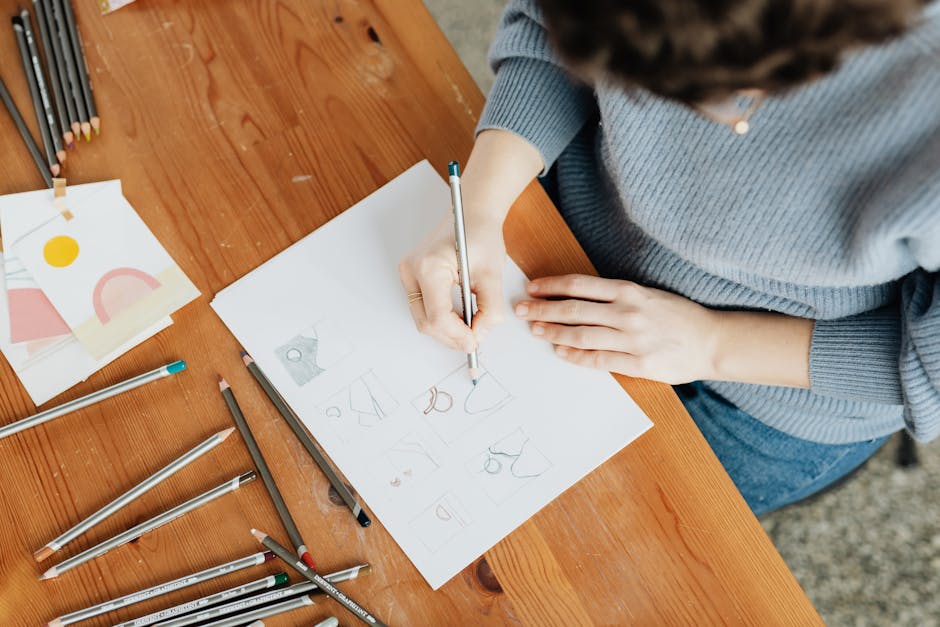
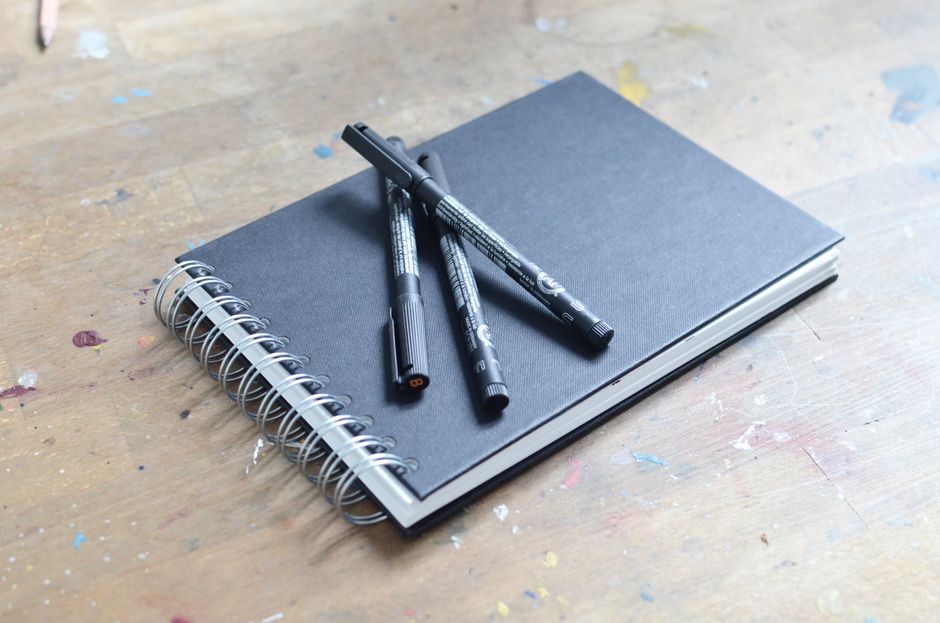
At the edge of the sketchbook, a pencil sits waiting, its tip dull and unready. The quiet block of time before work feels like a perfect opportunity to dive back into creative photo projects. Yet, as I reach for the pencil, I hesitate. The familiar urge to sketch an idea or capture a moment is overshadowed by the friction of starting. The thought of sharpening the pencil feels like an unnecessary hurdle, one that might derail the entire session before it even begins.
In this moment, the setup becomes a barrier. I glance around my home desk, cluttered with simple creative materials—a notebook, a pen, and a half-full coffee mug. Each object holds potential, yet the lack of a ready-to-start setup leaves me stuck. Without a clear next step, the session risks ending before it truly begins, leaving the sketchbook untouched and the creative spark dimmed. Recognizing this missed cue is essential; it’s not just about having the materials but ensuring they are prepped for action, ready to transform inspiration into reality.
The Default Routine: A Set-Up for Frustration
Gathering materials for a creative session can feel like a reasonable first step, but it often leads to unnecessary delays. Sitting at my home desk, I scan the clutter—my sketchbook, a few pens, and a half-empty coffee mug. The thought of diving into a drawing is tempting, yet the reality of needing to sharpen my pencils looms large. This seemingly minor task can consume precious minutes, turning excitement into frustration before I even put pencil to paper.
As I reach for the sketchbook, I realize that the lack of a ready-to-start setup is a common pitfall. Instead of having my tools organized and within reach, I face the additional task of sorting through supplies. This often results in a session that fizzles out before it begins. A simple adjustment like keeping a sharpener next to my sketchbook could eliminate that friction. By marking the next step—sharpening the pencils—before I sit down, I could transform my creative habit into a more fluid practice. Without this small change, the risk remains that my session will end without a single line drawn, leaving my ideas trapped in my mind. Where the Default Method Falls Short Returning to a creative session after a few missed days can feel daunting, especially when the energy drain from setup looms large. Sitting at my home desk, I glance at the sketchbook resting against a cluttered coffee mug. The thought of drawing is inviting, yet the reality of needing to gather supplies often leads to procrastination. Without a clear plan, I find myself hesitating, staring at the blank page, and wishing I had already sharpened my pencils or prepped my paints. This lack of a ready-to-start setup can sap the excitement right out of a creative session.
As I finally decide to dive in, I realize that my session could easily end without a single stroke on the page. The pencil needs sharpening, and I’ve neglected to mark that as my first step. Instead of immediately reaching for the sharpener, I waste time rummaging through drawers, which only adds to my frustration. If I had taken a moment to set up my space the night before—keeping the sharpener next to my sketchbook and ensuring all my tools were organized—I could have transformed this moment of hesitation into a fluid creative practice. The weak point under pressure becomes clear: without that simple adjustment, my creative flow is at risk of stalling before it even begins, leaving me with nothing but a blank page and a sense of missed opportunity.
A Streamlined Approach: Ready, Set, Create!
This same friction shows up again in Creative Hobbies For Adults, especially when the day tightens unexpectedly.
Returning to my creative practice after a few missed days often feels daunting. Sitting at my home desk, I glance at my sketchbook, its blank pages waiting for inspiration. However, I quickly realize that my pencil is dull, and the sharpener is buried under a pile of unused materials. This small oversight can derail my entire session before it even begins. Instead of diving into my drawings, I find myself wasting precious time searching for tools, which only adds to my frustration.
Contrast this with a more prepared setup: keeping a dedicated creative space where essentials are easily accessible can make all the difference. Imagine having your sharpener right next to your sketchbook and a checklist pinned to the wall, marking the next step in your project. When I sit down, I can quickly check that my pencil is sharp and my materials are in place, allowing me to jump straight into the creative flow. This simple adjustment transforms my approach, turning a potentially stalled session into a productive burst of creativity. By minimizing setup friction, I can focus on the art itself rather than the logistics of getting started.
Understanding the Tradeoff: Speed vs. Depth
A slightly different version of this problem appears in Starting New Hobbies Slowly, where the sequence changes but the hidden drag feels familiar.
After a few missed days, I find myself sitting at my home desk, staring at the blank page of my sketchbook. The quiet block of time before work feels like a perfect opportunity to jump back into my creative photo projects, but I know that a quick setup can come with its own pitfalls. With my pencil sharpened and my coffee mug at hand, I can dive in, but that often leads to unfinished sketches littering my pages. Less time spent preparing means I rush into drawing without fully exploring the ideas I had in mind.
However, the alternative method—taking a few moments to gather my thoughts and materials—can lead to deeper engagement with my projects. If I take the time to jot down a checklist of what I want to accomplish during my creative session, I can ensure that I’m not just filling pages with sketches that lack depth. This tradeoff is crucial: while quick sessions allow for immediate creativity, they can also leave me with a collection of half-finished projects. Balancing speed with depth becomes essential, as I weigh the benefits of a rapid start against the potential for richer, more fulfilling outcomes in my art practice.
Finding Your Fit: When to Embrace the Alternative
Late afternoons at my home desk often provide a quiet moment, perfect for diving back into my sketchbook. The light filtering through the window casts a warm glow over my supplies: a well-worn sketchbook, a sharp pencil, and a steaming coffee mug. However, after a few missed days, the challenge lies in how to restart my creative flow without succumbing to the usual pitfalls of rushed sessions.
Instead of jumping straight into drawing, I pause to gather my thoughts. I take out my notebook and jot down a few ideas I want to explore during this session. This simple act of writing serves as a mental cue, allowing me to focus on what I want to achieve rather than just filling pages with random sketches. By marking the next step—like deciding to draw a specific scene or object—I create a roadmap for my creativity.
In this way, I avoid the common friction of ending a session without a clear restart cue. If I neglect this preparation, I find myself staring at unfinished sketches, feeling frustrated. The alternative approach, taking a moment to plan, transforms my creative time into something meaningful. It’s not just about the act of drawing; it’s about engaging with my ideas in a deeper way. This balance is essential, especially after a break, as it ensures that each session contributes to my evolving art practice rather than becoming a series of disjointed efforts.
Returning to my creative photo projects after a few missed days often feels daunting. I sit at my home desk, surrounded by my sketchbook and a well-used pencil, which inevitably needs sharpening before I can even begin. This small task, while seemingly trivial, plays a crucial role in my creative process. Without that sharpened pencil in hand, I find myself hesitating, caught in the friction of starting without a clear direction.
To ease back into my art practice, I take a moment to mark the next step in my sketchbook—perhaps a quick note on a page edge about what I want to capture next. This simple act not only sets the stage for my creative session but also serves as a reminder of the ideas I want to explore. By preparing this way, I eliminate the risk of ending another session without a restart cue, transforming my creative time into a focused and productive experience.