The Small Change That Makes Creative Photo Projects Workable at Home

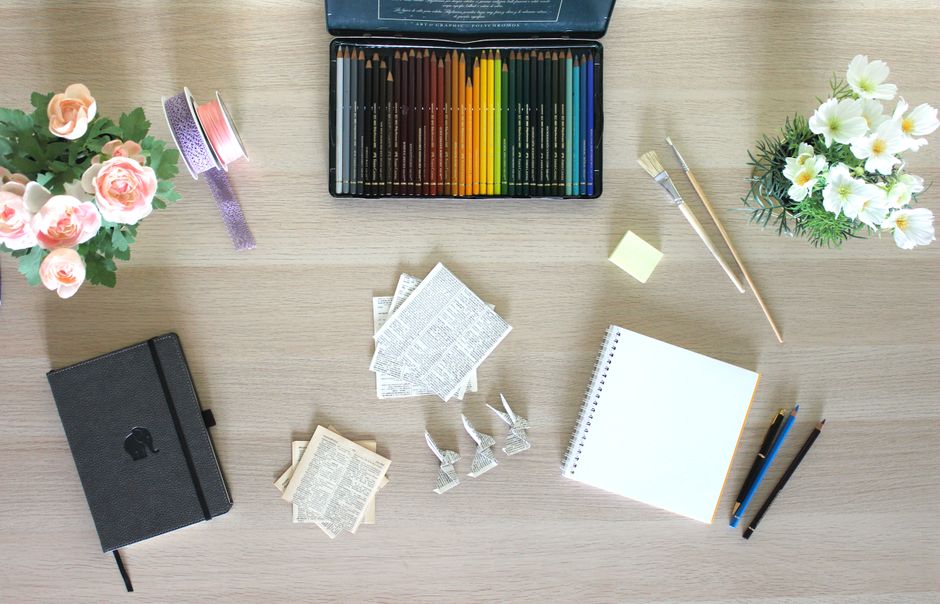
At the corner of the art desk, the sketchbook lies open, its pages blank and waiting, while a coffee mug steams nearby. The evening light filters through the window, casting a warm glow over the scattered supplies: colored pencils, a few sheets of photo paper, and a pen. After a few missed evenings, the urge to dive back into creative photo projects is strong. Yet, despite the visible materials, there’s a sense of friction that holds back the flow of inspiration. The supplies, though close by, remain zipped in a bag, creating an unnecessary barrier to starting a short creative session.
This moment reveals a common oversight: even with everything within reach, the lack of organization can stifle creativity. The simple act of unpacking the supplies and arranging them on the desk can transform the scene. When the colored pencils are laid out next to the sketchbook, and the photo paper is easily accessible, the transition from thought to action becomes seamless. It’s this small adjustment—preparing the workspace—that can make a significant difference in how quickly one can engage with their artistic practice, turning a quiet block of time into a productive creative session.
The Moment Before the Creative Session
Evening light spills into the art desk corner, softening the edges of the cluttered workspace. A sketchbook lies open, its blank pages inviting, while a pen rests nearby, ready for the first stroke. After a few missed evenings, the excitement of starting a new creative photo project is palpable. Yet, despite the visible materials, a familiar friction lingers: the supplies remain zipped in a bag, just out of reach. This small oversight can turn inspiration into hesitation.
With a quiet block of time before dinner, the first step is to unpack the supplies. Lifting the bag from the floor, I pull out the colored pencils and arrange them in a neat row beside the sketchbook. The photo paper, previously hidden, now sits prominently on the desk, easily accessible. This simple act of preparation transforms the scene; it shifts the focus from gathering materials to diving straight into drawing. The moment feels charged with potential, and as I take a sip from my coffee mug, I realize that this small adjustment—laying everything out—can make all the difference in transitioning from thought to action. With everything ready, the hesitation fades, and the creative session can finally begin. The Mistake of Overlooking Preparation At my art desk corner, the sketchbook lies open, inviting creativity, yet the colored pencils remain tucked away in a zipped bag on the floor. The scene is set for a productive evening, but the reality is that without unpacking the supplies, I can’t dive into a creative session. The easy assumption is that having materials nearby is enough; however, this oversight creates a barrier that can stifle inspiration.
As I glance at the clock, I realize I have a quiet block of time before dinner. I can feel the urge to create bubbling up, but I know I need to take action first. Standing up, I grab the bag and pull it onto the desk. I unzip it, revealing the vibrant colors inside, and start to lay them out in a neat row next to the sketchbook. The photo paper, previously hidden beneath the pencils, now gets a place of prominence. This small act of preparation transforms the space; it signals readiness and shifts my mindset from hesitation to action.
With the supplies finally visible and within reach, the friction dissipates. I can feel the potential of the moment as I pick up a pencil, ready to sketch. The simple act of unpacking not only clears the physical clutter but also prepares my mind for the creative process. It’s a small change, yet it makes all the difference in how quickly I can transition into my art practice. The lesson here is clear: preparation isn’t just about having materials on hand; it’s about creating an environment that invites creativity to flourish.
The Consequence of Setup Friction
In the corner of my art desk, the supplies sit zipped inside a bag, a barrier between my intentions and my creativity. As I approach the desk with a quiet block of time before work, I feel a familiar wave of frustration wash over me. Instead of diving into my sketchbook, I find myself rummaging through the bag, searching for the right pencils and photo paper. Each minute spent digging only saps my motivation further. The vibrant colors I was excited to use become a reminder of the time wasted.
This setup friction creates a cascading effect. The longer I search, the more my focus drifts away from the project. I glance at the clock, and the initial excitement I felt is replaced by a sense of urgency as I realize my window for creativity is closing. I finally pull out a few supplies, but the moment has shifted; I’m no longer in a creative headspace. Instead of feeling inspired, I’m left feeling frustrated and unprepared.
To break this cycle, I need to make a small but impactful adjustment. Placing my sketchbook on the desk first, along with a visible supply cue like a bright mug filled with my favorite pens, can signal readiness. When I set up this way, I can transition into my creative session without the friction of searching. This simple change not only saves time but also helps maintain the flow of inspiration, allowing me to pick up the pencil and start drawing without hesitation.
This same friction shows up again in Starting New Hobbies Slowly, especially when the day tightens unexpectedly.
A Simple Repair: Keep Supplies Visible
When returning to my art desk after a few missed evenings, I often find my creative momentum stifled by the simple act of searching for supplies. Instead of having everything at hand, my sketchbook and pens are zipped away in a bag, creating unnecessary friction. This setup not only wastes precious time but also disrupts my focus. To fix this, I can make a small adjustment that enhances my readiness for creativity.
- Place the sketchbook directly on the desk, open to a fresh page, so it’s inviting and ready for use.
- Position a bright coffee mug filled with my favorite pens next to the sketchbook, ensuring I can grab one without delay.
- Create a designated corner on the desk for essential supplies, like scissors and tape, so they remain accessible for future projects.
By keeping these items visible and organized, I can easily slide into a creative session without fumbling through a bag. This simple repair not only saves time but also fosters a more inviting atmosphere for drawing and sketching, allowing my ideas to flow more freely.
The Part Worth Repeating Tomorrow
If this pattern keeps repeating, Creative Hobbies For Adults extends the idea without leaving the niche.
At the corner of my art desk, the sketchbook lies closed, tucked beneath a pile of supplies that I haven’t organized in days. This clutter not only makes it harder to start a creative session but also creates a visual barrier that can stifle inspiration. To counter this, I can establish a small routine that keeps my workspace inviting and ready for action.
First, I’ll clear a small area on the desk specifically for my sketchbook and pens. Opening the sketchbook to a fresh page and placing it upright will signal my brain that it’s time to create. Next, I’ll arrange my favorite pens in a colorful mug and position it right beside the sketchbook. This way, I can easily grab a pen without searching through a bag or drawer. By creating this visible cue, I’m not just preparing for today’s session; I’m also setting up a repeatable pattern that encourages me to dive into my creative hobbies more effortlessly in the future.
As I sip my coffee, I can see the organized supplies, which makes it easier to jump back into drawing or sketching. This simple act of keeping the essentials visible transforms my desk into a creative hub, allowing me to reclaim those quiet moments before work or after dinner without the usual setup friction. The more I repeat this small adjustment, the more it becomes a natural part of my creative practice.
After a few missed evenings, it’s easy to let the supplies pile up, zipped away in bags and drawers, making it harder to dive back into creative photo projects. By simply placing my sketchbook upright on the art desk, I create a clear visual cue that signals it’s time to engage with my art practice. Next, I can arrange my favorite pens in a colorful mug right next to it, ensuring they’re always within reach. This setup not only saves time but also reduces the mental barrier that often comes with starting a new session.
Every time I see that sketchbook ready and waiting, it reminds me of the joy in drawing and journaling. The act of preparing my space becomes a ritual that invites creativity back into my daily routine. As I sip my coffee, I’m not just looking at supplies; I’m looking at an opportunity to jump back into my projects. The next time I sit down, I’ll already be halfway into my creative session, ready to explore new ideas without the usual setup friction.