What Part of Creative Photo Projects Usually Slips First on a Crowded Day?
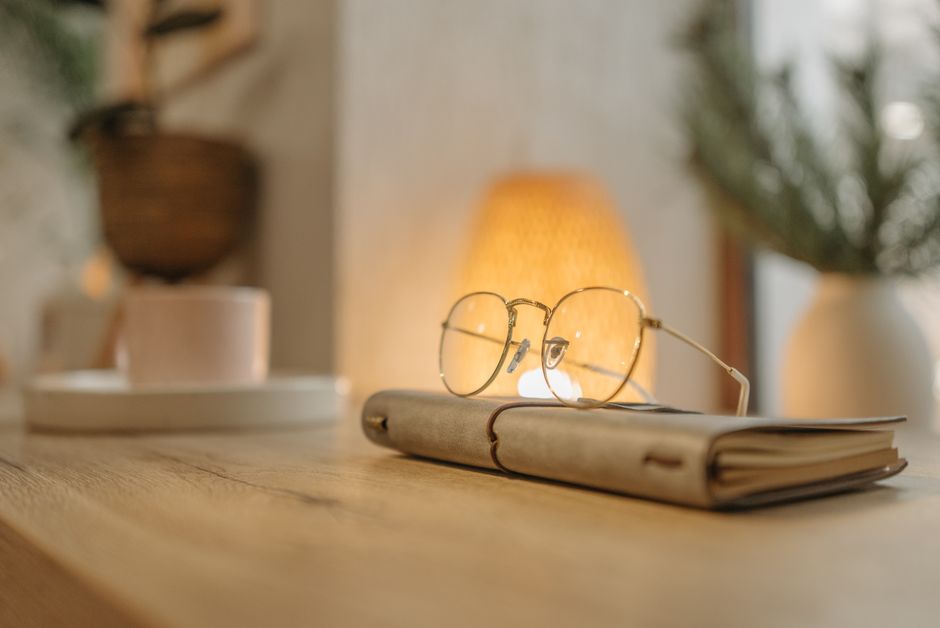
As the evening settles in, the art desk corner transforms into a familiar creative haven. A sketchbook lies open, waiting for inspiration, while a coffee mug steams beside it, hinting at a brief moment of calm before the evening rush. With only a short window before the next task beckons, the urge to dive into a photo project is palpable. Yet, the setup often feels larger than the actual practice. The pencil needs sharpening, and the camera battery might need charging—all small tasks that can quickly pile up, turning a simple creative session into an overwhelming chore.
In this busy routine, it’s easy to overlook one crucial step: ensuring everything is ready to go before the creative spark ignites. The notebook should be within reach, but if it’s tucked away in a drawer, the flow of creativity can stall before it even begins. This friction point often derails the whole evening, making it harder to engage with the creative habits that bring joy. By identifying these small but significant hurdles, we can streamline our approach, ensuring that the next photo project doesn’t slip into the background of a crowded day.
The Expected Routine for a Creative Session
The art desk corner is cluttered yet inviting, with a sketchbook open and a pen resting nearby. As the clock ticks toward the end of the day, the urge to capture a fleeting moment through photography grows stronger. However, the setup can feel daunting. The coffee mug sits at the edge of the desk, steam still rising, yet the pencil lies dull, waiting for a quick sharpen before any drawing begins. This small task, seemingly trivial, can create a barrier that stalls the creative flow before it even starts.
To prevent this friction, a ready-to-start setup is crucial. Gather the notebook, pen, and sketchbook first, placing them in an accessible spot. Next, ensure the camera is charged and within reach, avoiding the last-minute scramble that disrupts the rhythm. Set the lamp to a warm glow, creating a cozy atmosphere that invites inspiration. This sequence not only prepares the workspace but also signals the mind that it’s time to engage in a creative session. By refining these steps, the transition from daily routine to artistic expression becomes smoother, allowing for a more fulfilling experience without the weight of setup hanging overhead.
Where the Routine Breaks Down First
Even with a cozy art desk corner set up, the moment you sit down to create, the first snag often appears: materials are close but not quite ready. The sketchbook lies open, but the pencil is dull, resting in a nearby cup. This seemingly minor detail can become a significant barrier, halting your creative flow before it even begins. The act of sharpening the pencil, while simple, introduces a delay that can spiral into a longer interruption, especially when time is tight.
To streamline the setup phase, consider a quick checklist before starting your creative session. First, ensure all your materials are easily accessible. Place the sketchbook, notebook, and pen within arm's reach, eliminating the need to rummage through drawers. Next, check the camera battery; if it’s not charged, you'll find yourself scrambling at the last minute, which can disrupt your focus and enthusiasm. Setting a timer for just five minutes to prepare your space can transform this initial friction into a smooth transition into creativity.
The first visible sign of drift often happens here, at the art desk, when a simple task like sharpening a pencil turns into a delay. It’s a reminder that even small actions matter in the creative process. By addressing these minor setup issues ahead of time, you can maintain momentum and dive straight into your photo projects without the weight of forgotten items or unprepared materials holding you back.
Why This Friction Repeats
This same friction shows up again in Creative Hobbies For Adults, especially when the day tightens unexpectedly.
As you settle into your art desk corner after a long day, the phone buzzes with notifications, pulling your focus away from the creative preparation ahead. This distraction often leads to overlooking essential tools, like the pencil sharpener. It’s easy to forget that a cluttered space can create mental blocks, making it harder to dive into your photo projects. Without a clear setup, the initial excitement can quickly fade, leaving you stuck in indecision.
Take a moment to assess your workspace. The sketchbook lies open, but the nearby drawer is overflowing with materials, making it difficult to find the sharpener. This small but crucial tool can become a hidden cause of delay. Before you start, take five minutes to organize your desk. Move the sketchbook to the center, place the pen beside it, and ensure the sharpener is within reach. By clearing away the clutter and setting up a ready-to-start environment, you can eliminate those minor setup tasks that often slip through the cracks, allowing you to focus on the creative session instead of the distractions that can derail it.
Checklist for a Ready-to-Start Setup
A slightly different version of this problem appears in Starting New Hobbies Slowly, where the sequence changes but the hidden drag feels familiar.
Before diving into your creative photo projects, it's essential to ensure your workspace is primed for action. At your art desk corner, the first thing to check is whether your pencil is sharpened. A dull pencil can halt your momentum before you even start. Next, designate a specific spot for your materials, like keeping your sketchbook and pen within arm's reach. This minimizes the time spent searching for tools and maximizes your creative flow.
- Sharpen the pencil before beginning your session.
- Keep your sketchbook open and positioned centrally on your desk.
- Place your pen next to the sketchbook to avoid unnecessary delays.
By following this checklist, you can swiftly transition into your creative session without the friction of setup tasks. When you sit down after dinner, the sight of your organized art desk will invite you to pick up the pencil and start sketching right away, rather than getting bogged down by the chaos of a cluttered workspace.
A Quick Checkpoint Before You Start
At your art desk corner, take a moment to clear away any clutter before diving into your creative session. A few stray papers or unorganized materials can create a mental block, making it harder to focus on your photo project. Instead, set aside just five minutes to tidy up. This small action will help establish a more inviting workspace, allowing your creativity to flow more freely.
Next, ensure your lamp is turned on and your coffee mug is filled and within reach. The warm light creates an inviting atmosphere, while the coffee adds a comforting touch to your routine. Before you sit down, check that your sketchbook is open to a fresh page, ready for your ideas. This simple setup reinforces a sense of readiness, making it easier to jump straight into photographing your current creative state without the friction of distractions. With everything in place, you’ll find it much easier to transition into your art practice after a long day at work.
Easier Creative Sessions After the Correction
With your art desk corner organized, the creative block dissipates almost instantly. When you sit down with your sketchbook open to a fresh page, the mental clutter fades. You can dive right into your photo project without hesitation. The simple act of having your pencil sharpened and your notebook ready creates a sense of preparedness that is hard to replicate when everything feels scattered.
As you sip your coffee, the warmth seeps into your routine, grounding you in the moment. This small ritual of checking your materials—ensuring your pen is working and your favorite reference photos are easily accessible—sets a tone for the session. You might even find that a quick glance at your previous drawings sparks new ideas, allowing your creativity to flow more freely. The immediate engagement with your project feels seamless, as if the act of drawing is a natural extension of your thoughts.
Next time, consider how this small setup change transforms your creative session. Instead of fumbling to find your tools, you’re ready to photograph your current state of inspiration within minutes. This shift not only saves time but also enhances your focus, making it easier to maintain that momentum throughout your busy day. The difference is clear: a few moments spent preparing can lead to a more productive and fulfilling creative experience.
As you wrap up your creative session at the art desk, take a moment to assess what worked and what didn’t. If you found yourself hesitating to start because your pencil was dull or your sketchbook was out of reach, recognize that these small friction points can derail your creative flow on busier days. A quick check of your tools, ensuring everything is in its place, can save precious minutes and keep your inspiration alive.
Before you dive into your next project, make it a habit to photograph the current state of your workspace. This simple action not only documents your progress but also serves as a visual reminder of where you left off, making it easier to pick up right where you started. By addressing these minor setup issues, you can ensure that your creative photo projects continue to thrive, even amidst the chaos of a crowded day.


