Why Good Intentions Around Creative Photo Projects Fail at the Sketchbook Stage

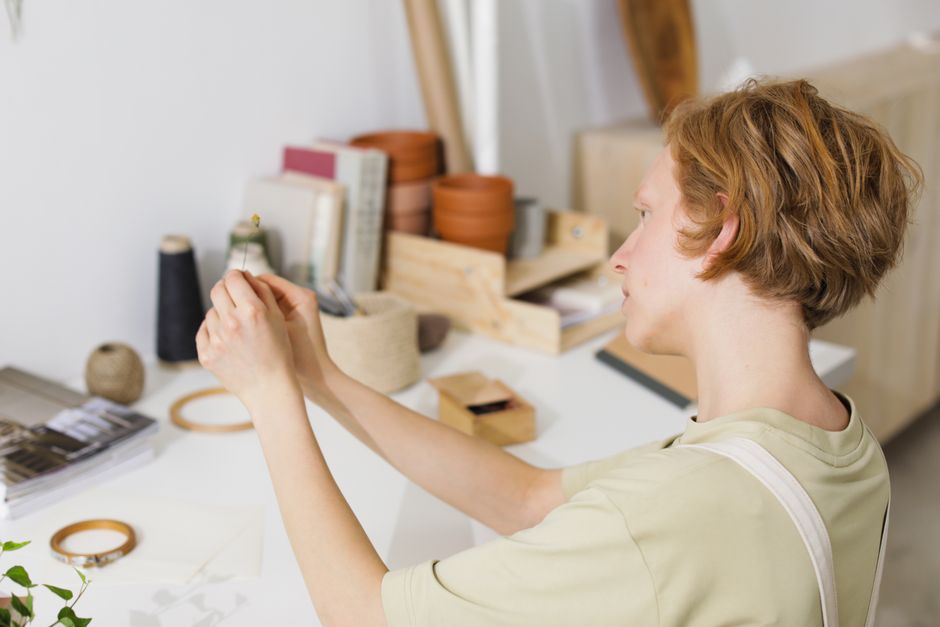
At the corner of your home desk, the sketchbook lies open, its blank page waiting for a burst of creativity. You pour a fresh cup of coffee, glancing at the array of supplies—colored pencils, a few pens, and a trusty eraser—zipped neatly in a bag just out of reach. It’s a quiet moment before work, perfect for a short creative session. Yet, as you sit down, the urge to start feels stifled by the very supplies that should inspire you. They’re nearby, but not ready, and that small friction can be enough to derail your intentions.
Reaching for the sketchbook, you realize that without a simple setup, the flow of ideas can quickly evaporate. The act of unzipping the bag and laying out the materials feels like a barrier, a missed step that turns excitement into hesitation. Instead of diving into drawing, you’re left contemplating where to begin. This common pitfall can stall creative photo projects, especially after a few missed days of practice. The next move is crucial: mark the next step in your sketchbook, ensuring that the supplies are not just visible but also accessible, ready to transform that blank page into a canvas of inspiration.
The Routine Starts with Good Intentions
Your home desk is a cozy nook, a small sanctuary for creativity. The sketchbook lies open, its blank pages waiting eagerly for the first stroke of a pen. A coffee mug, still warm from your last sip, sits nearby, offering a comforting presence. It’s a quiet block of time before work, the perfect moment to dive back into your creative practice after a few missed days. Yet, as you settle in, a familiar frustration creeps in: the supplies, though close, are not ready to go. The colored pencils remain zipped in their bag, and the watercolor set is tucked away in a drawer. This small oversight can transform enthusiasm into hesitation, making it hard to capture the ideas swirling in your mind.
Instead of immediately sketching, you find yourself contemplating the next step. The act of unzipping the bag feels like an unnecessary barrier, a friction point that can stall your flow. You realize that marking a clear next step in your sketchbook could provide a mental anchor, guiding you through the process. Take a moment to pull out the colored pencils and lay them out beside the sketchbook, ensuring they are visible and ready for action. This simple adjustment can make all the difference, shifting the focus from preparation to creation. With supplies within reach, your creative session can finally begin, transforming that blank page into a vibrant canvas of ideas. Where the Routine Begins to Slip The sketchbook lies open on your home desk, its blank page staring back at you. You sip your coffee, trying to ignite inspiration, but the moment feels heavy with hesitation. Nearby, the colored pencils remain zipped in their bag, and the watercolor set is still tucked away in the drawer. This simple oversight creates a barrier, making it hard to dive into drawing. Instead of letting your ideas flow onto the page, you find yourself stuck in contemplation, wondering what to create.
As you glance at the supplies, you realize that the act of retrieving them feels like an unnecessary chore, a friction point that disrupts your creative rhythm. You could easily mark the next step in your sketchbook to guide your thoughts, but the lack of accessible materials keeps you from moving forward. Instead of reaching for the bag, you decide to take a moment to lay out the colored pencils on the desk, ensuring they are visible and ready for action. This small adjustment shifts your focus from preparation to creation, allowing you to finally engage with the blank page.
Now, with the pencils spread out before you, the hesitation begins to fade. You can see the range of colors available, and the presence of those tools serves as a visual cue to kickstart your session. However, you still need to decide what to draw. Without a clear idea, the initial excitement can quickly turn into frustration. You might find yourself flipping through old sketches for inspiration, but the longer you delay, the more likely it is that the creative spark will fizzle out. The key is to act quickly—pick up a pencil and make a few random marks on the page. This small act can often lead to unexpected ideas, transforming that blank canvas into a playground for your imagination. Understanding the Friction: Why It Happens Returning to your sketchbook after a few missed days often feels like a daunting task. The clutter in your mind—thoughts about work deadlines and household chores—can overshadow the excitement of creating. As you sit at your home desk, surrounded by your supplies, the anticipation of starting a new photo project quickly turns into hesitation. You glance at your sketchbook, its blank pages waiting, but the first step feels heavy. The colored pencils remain zipped in their bag, an obstacle that seems trivial yet looms large.
Retrieving those supplies can feel like a chore, and that perception leads to procrastination. Instead of diving into your creative session, you might find yourself scrolling through social media or organizing your art desk. This hidden step—simply unzipping a bag—can derail your intentions. You might think, "I’ll get to it in a minute," but those minutes add up, and before you know it, your quiet block before work or after dinner slips away without any marks on the page.
Good intentions alone won’t bridge the gap between thought and action. You might have planned to sketch a new idea, but the lack of a visible cue, like your supplies laid out and ready, creates a mental barrier. The longer you wait, the more the initial spark fizzles out, leaving you staring at that blank page. Instead, make it a habit to place your sketchbook and tools within arm's reach at the start of your day, transforming your workspace into a creative launchpad. This small adjustment can shift your focus from preparation to creation, allowing you to engage with your art practice more seamlessly.
A Simple Adjustment to Change the Sequence
This same friction shows up again in Creative Hobbies For Adults, especially when the day tightens unexpectedly.
Keeping a small basket on your desk filled with essential supplies can eliminate that initial friction when you want to dive back into your sketchbook. If your pens, pencils, and erasers are zipped away in a bag, the act of unzipping and rummaging through them can feel like a chore. Instead, place them in a basket within arm's reach, so grabbing a pen or sketching tool becomes second nature. This simple change creates a more inviting workspace, making it easier to transition from thought to action.
Before wrapping up each creative session, take a moment to mark the next step in your sketchbook. Whether it’s a simple note about what to draw next or a rough outline of your ideas, this practice provides a clear starting point for your next session. For example, if you finish with a quick sketch of a flower, jot down a reminder to explore different angles or colors next time. This small sequence change not only keeps your creative momentum going but also reduces the chances of staring at a blank page when you return. By establishing these habits, you can transform your home desk into a dynamic space for your creative photo projects, ensuring that your artistic intentions don't get lost in the shuffle of daily life. What Gets Easier in the Next Time Block Returning to your sketchbook after a few missed days can feel daunting, especially when your supplies are still zipped in a bag on the desk. This simple oversight creates a barrier, making it harder to dive back into your creative photo projects. To ease into your next session, start by unpacking your materials before you sit down. Lay out your sketchbook, a couple of pens, and perhaps a coffee mug filled with your favorite brew. This setup signals to your mind that you’re ready to create.
As you settle in during that quiet block before work, take a moment to mark your next step directly on the edge of the sketchbook page. For instance, if you’ve sketched a landscape last time, jot down a note to experiment with colors or textures. This not only provides a clear direction but also reduces the friction of staring at a blank page. By establishing this small routine, you transform your desk into a more inviting creative space, making it easier to jump back into your art practice without the initial setup hassle.
Returning to your sketchbook after a few missed days can feel daunting, especially when your supplies remain zipped in a bag. This simple oversight can create a barrier that makes it harder to dive back into your creative photo projects. Instead, take a moment to lay out your materials on your home desk: a sketchbook, a few pens, and maybe a coffee mug filled with something warm. This small action signals readiness and reduces the friction of starting anew.
As you prepare to sketch, consider marking your next step directly on the edge of the sketchbook page. If your last session involved drawing a cityscape, note to explore a new perspective or play with light and shadow. This not only provides clarity but also transforms your desk into a welcoming creative space, making it easier to engage with your art practice. By establishing these small routines, you can effectively navigate the common pitfalls that derail your creative habits.