A More Useful Way to Approach Art Practice
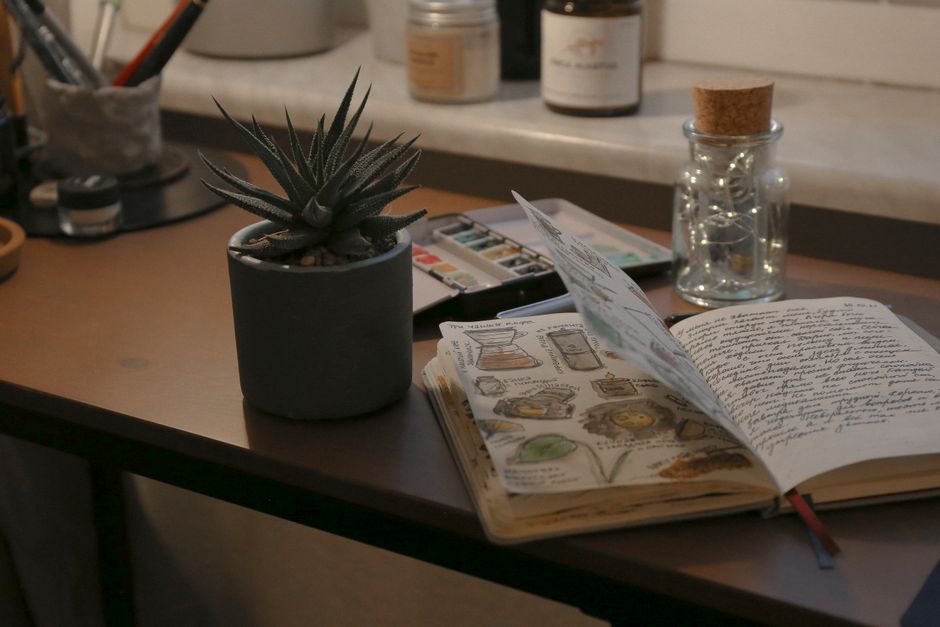
As the sun sets, casting a warm glow over the home desk, the hobbyist reaches for the sketchbook resting on the edge, its pages slightly curled from frequent use. A quick glance around reveals a coffee mug half-filled with lukewarm brew and a neatly zipped bag of supplies, each item a reminder of creative intentions waiting to be realized. This moment, just before diving into a short creative session, often feels charged with potential, yet it’s all too easy for setup friction to creep in and derail the experience. The act of simply opening the sketchbook can become overshadowed by the thought of rummaging through the bag for the right pen or pencil, a task that can feel larger than the drawing itself.
When supplies remain tucked away, the anticipation of creating can quickly turn to frustration. Missing a simple check, like ensuring the sketching tools are readily available, can transform a quick drawing session into a lengthy setup ordeal. The hobbyist might find themselves distracted by the effort it takes to gather everything, leading to a loss of motivation before even putting pen to paper. This friction not only interrupts the flow of creativity but also diminishes the joy of engaging with the art practice. Recognizing these small adjustments, such as keeping the supplies organized and within reach, can help maintain focus and encourage a smoother transition into the creative process.
The Routine That Gets Overlooked
On a quiet evening, the hobbyist approaches their art desk, ready to dive into a drawing session. The sketchbook lies open, its pages waiting to be filled, but the moment is often interrupted by the realization that the supplies are still zipped away in a bag. This initial friction—having to dig through the bag for the right pen or pencil—can overshadow the excitement of creating. Instead of flowing into the drawing, the hobbyist finds themselves stuck in a setup routine, feeling the weight of the task grow larger than the act of drawing itself.
In an ideal scenario, the materials are already laid out, the pen resting beside the sketchbook, and a coffee mug filled for comfort. The first step should be as simple as reaching for the sketchbook, but when supplies are scattered or tucked away, the anticipation turns into frustration. The hobbyist might think, "I’ll just grab my pencil," only to discover that it’s not where they expect it to be. This small oversight can lead to wasted time and a dwindling motivation to start. A quick check of the supplies before the session, ensuring everything is within reach, can transform the experience.
Setting a timer for focused work can also help streamline the process. Once the supplies are ready, the hobbyist can take a moment to breathe, sip their coffee, and mentally prepare. With a clear workspace and a ticking timer, the transition from setup to drawing becomes smoother. Instead of feeling overwhelmed, they can now open the sketchbook and begin drawing with ease. The act of creating becomes a flow rather than a chore, allowing for a more enjoyable and productive session. By recognizing the importance of this overlooked routine, the hobbyist can reclaim the joy of their creative practice, turning what once felt like a burden into a seamless part of their art-making process. Where the Setup Fails First Opening a zipped bag of supplies can feel like a daunting task, especially when the creative energy is high but the workspace is cluttered. The simple act of unzipping can trigger a wave of reluctance, as the hobbyist stares at the chaotic desk. Pencils, erasers, and brushes are scattered, and the thought of clearing the space feels heavier than it should. This moment often marks the beginning of setup friction, where enthusiasm can quickly dissipate into frustration.
Notifications pinging from the phone nearby add another layer of distraction. As the hobbyist reaches for a sketchbook, the temptation to check messages pulls focus away from the drawing session. A quick glance at the screen leads to scrolling, and suddenly, the creative intention is lost amidst the digital noise. If the supplies are not prepped and the workspace not cleared, a forgotten item—like a favorite pencil or a specific color—can derail the entire session. The hobbyist may find themselves scrambling to locate it, wasting precious time that could have been spent drawing.
To combat this, a small adjustment can make a significant difference. Before each session, a quick checklist can be made, noting essential supplies and their locations. For instance, placing the sketchbook directly next to the coffee mug on the desk serves as a visual cue to start the creative process. This simple act of organization not only streamlines the setup but also reduces the mental load. By ensuring that everything is within reach, the transition from setup to drawing can become a seamless flow, allowing the hobbyist to reclaim their focus and creativity.
A Simple Correction to Ease Setup Friction
This same friction shows up again in Creative Hobbies For Adults, especially when the day tightens unexpectedly.
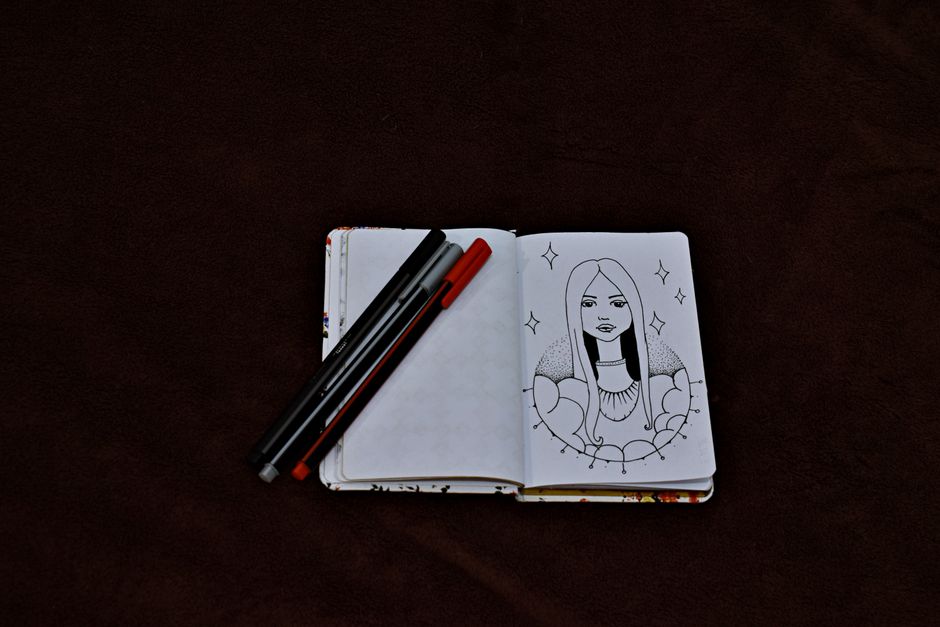
Setting up for a drawing session can often feel like a chore rather than a creative endeavor. When supplies are zipped away in a bag, the act of retrieving them can create unnecessary friction. Instead, keeping your sketchbook and pen on the desk transforms the environment into a ready-to-go workspace. For example, placing the sketchbook open on the edge of the desk, with the pen nestled beside it, creates a visual prompt that signals it’s time to draw. This small adjustment minimizes the clutter and makes the transition from thought to action much smoother.
To further streamline your setup, designate a specific area on your desk for all your essential supplies. A small tray can hold your favorite pens, erasers, and other tools, keeping everything organized and within arm's reach. This dedicated space not only reduces the chance of losing items but also creates a mental cue that drawing is imminent. Before wrapping up each session, jot down a quick checklist of what you’ll need for the next time. For instance, note that the sketchbook should remain open and the pen should stay on the desk. This way, when you return, you can dive right into your creative session without the usual setup drag.
By making these simple corrections, you can significantly enhance your drawing experience. The act of opening the sketchbook becomes a seamless part of your routine, rather than a barrier to creativity. As you prepare for your next session, remember that a well-organized space can lead to a more productive and enjoyable art practice.
What Changes After the Correction
A slightly different version of this problem appears in Starting New Hobbies Slowly, where the sequence changes but the hidden drag feels familiar.
With the sketchbook open and the pen resting nearby, the atmosphere around the art desk shifts. Instead of feeling like a chore, the act of starting a drawing transforms into an inviting ritual. The previous setup friction, where supplies were zipped away in a bag, now feels like a distant memory. The simple act of keeping the sketchbook ready allows for a more fluid transition into creativity.
Less time spent on setup translates directly into more drawing time. When the coffee mug sits next to the open sketchbook, it serves as a subtle prompt to engage with the project. There’s no longer a mental barrier of rummaging through a bag or searching for a missing pen. Instead, the creative session begins with a quick glance at the page, where a few half-finished sketches await attention. This small change fosters a sense of continuity, making it easier to dive back into the artwork.
During the next quiet block before work, the motivation to draw feels heightened. With everything in place, it’s easier to pick up the pen and sketch. The previous hesitation is replaced by eagerness, as the mind is already primed for creativity. One practical adjustment, like leaving the sketchbook open to a fresh page, can significantly shift the experience. It’s a simple check that ensures the next session starts smoothly, reinforcing a habit of regular drawing.
As you prepare for the next creative session, remember that these small adjustments lead to greater enjoyment and less friction. The act of opening the sketchbook becomes a seamless part of your routine, inviting you to explore your artistic intentions without the weight of setup dragging you down.
As you sit at your home desk, the familiar sight of your sketchbook and drawing supplies can either spark inspiration or feel like a barrier. When the supplies remain zipped in a bag, the thought of unpacking them can create an unnecessary hurdle. Instead, keeping your sketchbook open to a fresh page and your tools within easy reach transforms the setup from a chore into an invitation to create. This simple adjustment can shift your mindset, making it easier to dive into your next drawing session.
Before your next quiet block of time, take a moment to check that everything is ready to go. Place a note in your sketchbook about what you want to explore next. This small act not only prepares you for your upcoming creative session but also reinforces your commitment to drawing regularly. With your materials at hand and a clear intention, the friction of setup fades, allowing your creativity to flow more freely.