Small Changes to Revive Your Creative Photo Projects After a Break
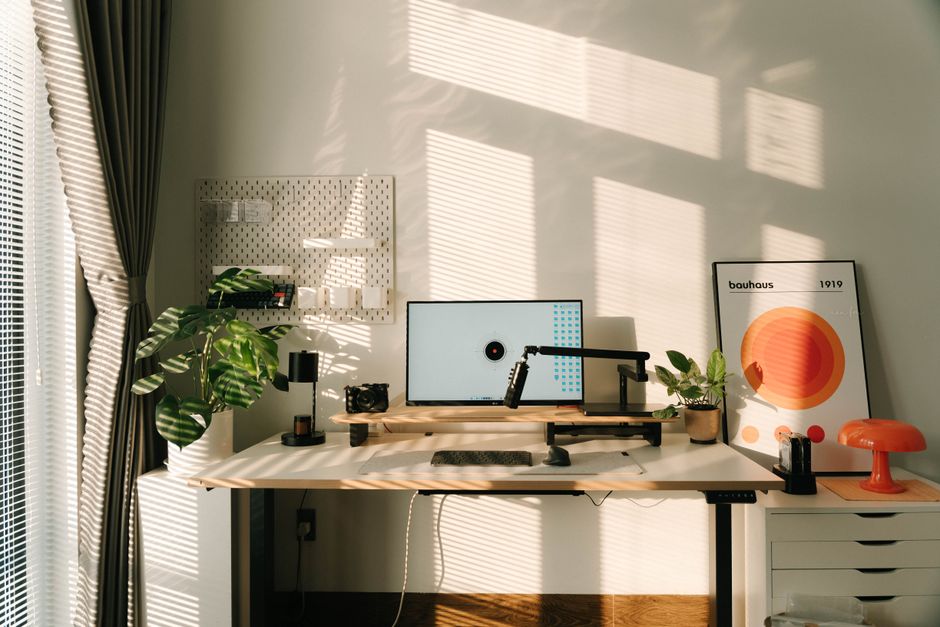
At the corner of your art desk, a sketchbook lies open, the next blank page waiting to be filled. After a few evenings lost to distractions, the urge to restart your creative photo projects flickers like a candle in the quiet space before dinner. You glance at the scattered supplies—pencils, a coffee mug, and a few printed photos—but the thought of diving in feels daunting. The initial excitement is clouded by the friction of not knowing where to begin, and the blank page seems to mock you instead of inviting creativity.
Reaching for the sketchbook, you notice that your usual setup is incomplete. You haven't chosen a specific project to focus on, and the absence of a clear starting point adds to the hesitation. The supplies are nearby, but without a ready-to-start arrangement, the moment slips away. Instead of just opening the sketchbook and letting inspiration flow, you find yourself caught in a cycle of indecision. This missed step can turn a simple creative session into a frustrating experience, leaving you yearning for a smoother path back into your art practice.
The Default Approach to Creative Blocks
Sitting at your art desk, the familiar sight of scattered supplies—colored pencils, a half-empty coffee mug, and a well-loved sketchbook—should spark inspiration. Instead, it feels like a weight pressing down. You open the sketchbook, flipping through pages filled with past ideas and sketches, but the absence of a clear project leaves you feeling adrift. The blank pages ahead seem daunting, and the excitement of creating is overshadowed by uncertainty.
This routine is common; many makers instinctively reach for their sketchbook, believing that opening it will unlock their creativity. However, without a specific direction, it often leads to frustration. You might spend precious minutes flipping back and forth, searching for the next page to dive into, only to find that the next project isn’t chosen. You sit there, supplies within reach but unready, feeling the moment slip away.
Instead of diving into a creative session, you’re caught in a loop of indecision. The choice of what to create becomes a barrier rather than a gateway. This friction can turn a simple evening of drawing into a tedious exercise in frustration, where the joy of making is replaced by the pressure of choice. To break this cycle, consider preparing a specific project or idea ahead of time, so when you sit down, you can directly engage with your materials without the initial overwhelm.
Where the Default Method Falls Short
A slightly different version of this problem appears in Creative Hobbies For Adults, where the sequence changes but the hidden drag feels familiar.
Returning to your art desk after a few missed evenings can feel like a daunting task. You might sit down, coffee mug in hand, and instinctively reach for your sketchbook. However, without a clear project in mind, that initial excitement can quickly turn into anxiety. The nearby supplies—colored pencils, markers, and even your favorite drawing paper—remain untouched, creating an invisible barrier that keeps you from diving into your creative session.
As you flip through the pages of your sketchbook, the pressure mounts. The next page isn’t chosen, and you find yourself stuck in a loop of indecision. Each minute spent searching for inspiration chips away at your motivation, transforming what should be a joyful drawing experience into a frustrating exercise in choice paralysis. The very act of trying to decide what to create becomes a weak point under pressure, leaving you feeling disengaged and overwhelmed.
To counter this friction, consider setting up a specific project before your creative time. For instance, take a moment to jot down a few ideas in your notebook ahead of time, so when you sit down, you have a ready-to-start setup. This small adjustment can shift your mood from anxious to focused, allowing you to open your sketchbook and begin drawing without the initial overwhelm. By preparing in advance, you can transform your art desk into a launchpad for creativity rather than a stumbling block, making it easier to engage with your projects even after a break.
A More Workable Alternative
If this pattern keeps repeating, Starting New Hobbies Slowly extends the idea without leaving the niche.
When returning to your art desk after a few missed days, the pressure to create can feel daunting. Instead of diving into a vague notion of what to work on, prepare a specific project that’s ready to go. This shifts the focus from indecision to action, making it easier to engage with your creative hobbies.
- Choose a single photo theme or technique, like "shadows in the evening light," and place a printed reference image next to your sketchbook.
- Set a timer for just 15 minutes to limit your session, encouraging a burst of focused creativity without the intimidation of a long commitment.
- Open your sketchbook to the next blank page, ensuring it’s ready for your first sketch, and keep a pen nearby for immediate use.
This straightforward setup minimizes friction. By having a clear project in mind and a defined time limit, you can bypass the paralysis of choice. Instead of sitting at your desk wondering what to create, you can dive right into drawing, transforming your art space into a productive environment.
Understanding the Tradeoff: Structure vs. Freedom
At your art desk corner, the supplies are in view but not yet ready for action. You have your sketchbook open, a pen nearby, and a coffee mug steaming beside you. However, the next page remains unchosen, and the blankness feels daunting. Opting for a structured approach, like selecting a specific photo theme such as "reflections in puddles," can feel constraining at first. You might hesitate, thinking that a predetermined project stifles your creative freedom.
Yet, this method significantly reduces decision fatigue. Instead of pondering what to create, you can dive into drawing with a clear focus. By placing a reference image next to your sketchbook, you eliminate the initial friction of choice. It’s a small adjustment that sets the stage for quicker engagement with your creative process. Set a timer for 15 minutes, and you’ll find that the limitations of structure can spark unexpected creativity, as you’re no longer paralyzed by possibilities.
While this approach sacrifices spontaneity, it offers a pathway to productivity that can feel rewarding. The initial discomfort of being boxed into a theme fades as you start sketching. You might even discover new angles or ideas that emerge from the constraints. In this case, the tradeoff of freedom for structure is worth it, especially when you’re trying to restart after a few missed evenings. With everything in place, you can transform that quiet block before work into a vibrant creative session.
A Quick Check That Prevents More Drift
Before diving into your creative session, take a moment to check your supplies. If your sketchbook is sitting atop a pile of old art materials, it’s easy to feel overwhelmed and drift back into procrastination. Instead, clear a small space on your art desk corner where your sketchbook can lie open, ready for use. This simple act of organization sets the tone for your session.
Next, place a favorite pen next to your sketchbook. This small detail can serve as a visual cue that invites you to start drawing. When you sit down with your coffee mug in hand, take a quick glance at the open page of your sketchbook. If the next page is blank, it’s a prompt to begin. You might even jot down a few keywords or doodles to get the creative juices flowing. By preparing this ready-to-start setup, you eliminate the friction of searching for materials, allowing you to focus on your art practice instead.
In this way, the act of checking your supplies transforms your quiet block into an engaging creative moment. You might find that the act of opening your sketchbook and seeing that blank page is less daunting when everything is in its place. This quick check prevents further drift and keeps your creative momentum alive, especially after a few missed days.
When That Alternative Fits Better
After a few missed evenings, the art desk corner can feel daunting, especially when supplies are visible but not ready. Instead of diving into a full creative session right away, take a moment to prepare your space. Start by opening your sketchbook to the last completed page. This simple act can help bridge the gap between your last project and the one you want to start now.
As you sip your coffee, check that your favorite pen is within reach. If it’s not, place it next to your sketchbook. This little adjustment makes your desk feel more inviting and sets the stage for creativity. When you see that blank page staring back at you, it’s a clear prompt to begin, rather than feeling overwhelmed by the pressure of a blank canvas. This ready-to-start setup transforms a quiet block of time into a productive moment, allowing you to ease back into your creative habits without the friction of searching for materials.
On evenings when you feel the pull to create but lack the energy, these small preparations can make all the difference. Instead of feeling stuck, you’ll find that the act of opening your sketchbook and seeing that first page ready to go can ignite your creativity, making the transition back to your art practice smoother and more enjoyable.
Returning to your creative projects after a few missed days can feel daunting, especially when your art desk is cluttered with supplies but lacks a clear setup. Instead of diving into a lengthy preparation, focus on one simple action: open your sketchbook. This small move signals your brain that it’s time to create, transforming the space from a source of friction into an inviting canvas. When you flip to the next blank page, it becomes a prompt rather than an obstacle, encouraging you to sketch, jot down ideas, or even doodle.
As you settle into this short creative session, take a moment to glance around your desk. Is your favorite pen ready? If not, place it next to the sketchbook to eliminate any unnecessary delays. This small check can make your next creative block feel less overwhelming, allowing you to dive back into your photo projects with renewed energy and focus.