When Creative Photo Projects Become Harder Than They Look
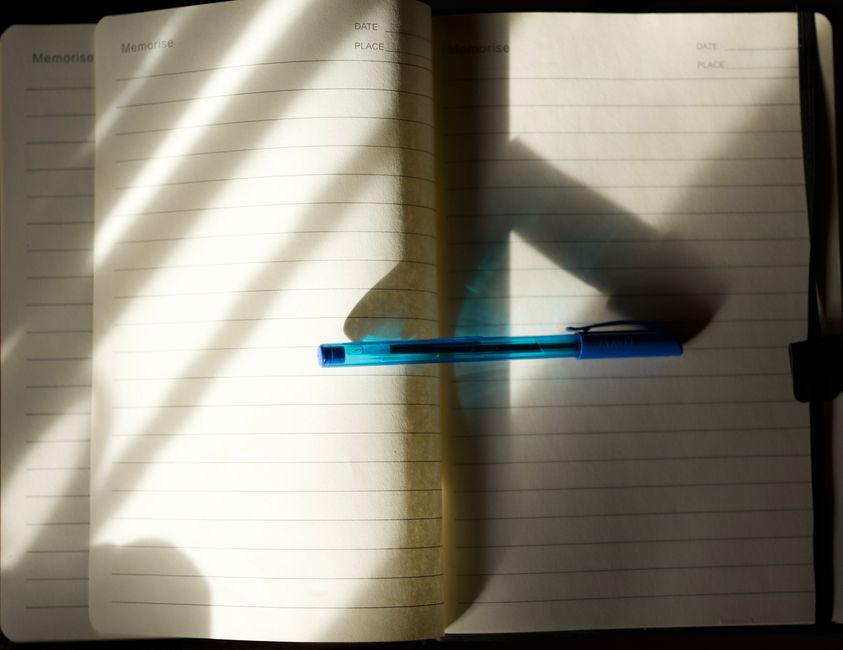
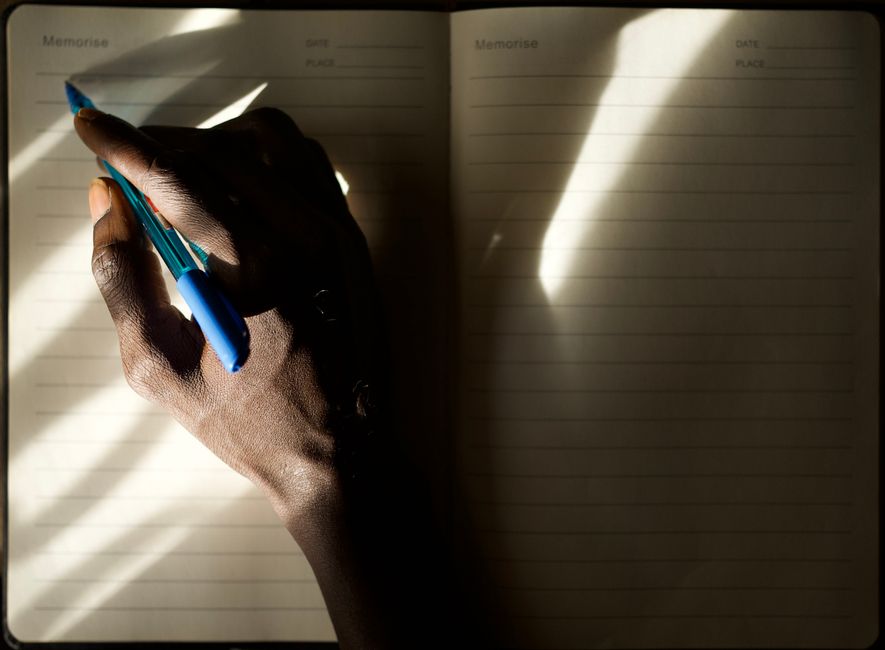
It's a quiet block of time after dinner, and the home desk is set for a short creative session. A sketchbook lies open next to a pen, and a coffee mug, still warm, sits nearby. The supplies are zipped away in a bag, and the thought of pulling them out feels like a larger task than it should. Just getting started on a creative photo project can feel daunting, especially when the setup seems to require more effort than the actual making.
As the evening light filters through the window, the urge to create clashes with the reality of preparation. The supply tray, often neglected, holds a few forgotten materials that could spark inspiration. Instead of reaching for those, the maker hesitates, thinking about the time it takes to unpack everything. This friction point—the gap between intention and action—can easily derail the creative flow. A simple check, like placing a ready-to-start setup on the desk, could transform this moment from hesitation to action, making the transition from routine to creativity feel seamless.
The Setup That Gets Overlooked
The home desk, a modest workspace, is cluttered with a few essential materials: a sketchbook lies open, its pages slightly crinkled from previous use, while a sturdy notebook and a well-loved pen sit nearby, ready for action. A coffee mug, still warm from a recent refill, adds a comforting touch to the scene, and the soft glow of a lamp casts a warm light over the supplies. This quiet block of time, nestled between the end of dinner and the start of evening tasks, feels like a perfect moment to dive into a creative session.
Yet, the urge to draw is met with a familiar friction. The supply tray, usually a source of inspiration, remains untouched, its contents forgotten. Instead of reaching for the materials, the maker finds themselves hesitating, weighing the effort of unpacking everything against the desire to create. The thought of gathering supplies feels larger than the act of drawing itself, creating a mental barrier. This friction can easily derail the flow of creativity, making it harder to transition from the routine of the day to the joy of making.
To ease this tension, a simple adjustment could be made: placing a ready-to-start setup on the desk. Keeping the most-used materials—like the sketchbook and pen—within arm's reach can transform the atmosphere. By setting aside just a few minutes to arrange the supplies before the quiet time arrives, the maker can eliminate the initial hurdle of setup. This small change can shift the focus from preparation to creation, allowing for a more seamless start to the evening's artistic endeavors.
When the Routine Starts to Slip
The moment the maker sits down at the art desk, a familiar setup greets them: a sketchbook, a pen, and a coffee mug half-filled with yesterday's brew. Yet, instead of diving into the creative photo project, their attention drifts to the buzzing phone nearby. Notifications pull them away, each ping a reminder of unfinished tasks rather than the joy of creating. This distraction is the first sign that the routine is slipping, turning a quiet block of time into a struggle against the pull of digital interruptions.
Despite the supplies being within reach, they suddenly feel overwhelming. The neatly zipped bag of materials sits on the floor, a reminder of the effort required to unpack and set up. This hesitation leads to an immediate consequence: instead of journaling or sketching, the maker finds themselves scrolling through social media, losing precious minutes that could have been spent drawing. The decision to skip the check of unpacking the supplies creates a barrier that feels larger than the act of creating itself.
To combat this friction, a small adjustment could be made by placing the most essential items directly on the desk before the session begins. By simply unzipping the bag and laying out the sketchbook and pen, the maker can shift their mindset from preparation to action. This tiny utility move transforms the desk into a ready-to-start setup, making it easier to transition back into a creative session without the weight of setup hanging overhead.
Why Creative Momentum Falters
The art desk, often a sanctuary for creativity, can quickly morph into a cluttered battleground. A half-opened sketchbook lies beneath a stack of old receipts, while a coffee mug, once filled, now sits empty, surrounded by forgotten supplies. This chaos breeds a sense of overwhelm, making it difficult to dive into a creative session. Instead of feeling inspired, the maker finds themselves paralyzed by the mess, unable to see where to start. The intention to create something meaningful becomes overshadowed by the pressure to clear the surface first.
In the quiet moments before work or after dinner, the desire to sketch or journal can easily be derailed by the clutter. The simple act of having supplies zipped away in a bag adds an invisible layer of friction. When the maker reaches for the bag, they might find themselves hesitating, wondering if the effort to unpack is worth it. This hesitation leads to a missed opportunity; the time that could have been spent drawing slips away, replaced by the allure of checking notifications on their phone. The hidden step of unpacking supplies transforms into an obstacle that feels larger than the act of creating itself.
To counteract this, a small yet effective adjustment can be made: placing the essential tools directly on the desk before the creative session begins. By taking a moment to unzip the bag and lay out the sketchbook and pen, the maker can shift their focus from preparation to action. This simple setup creates a ready-to-start environment, allowing them to reclaim those quiet moments and dive into their art practice without the weight of setup hanging overhead. However, the tradeoff remains—while this adjustment simplifies the start, it requires a commitment to maintain a tidy workspace, which can feel like an additional task in itself.
A Simple Adjustment to Clear the Path
A slightly different version of this problem appears in Creative Hobbies For Adults, where the sequence changes but the hidden drag feels familiar.
The clutter on the home desk often feels like a barrier to starting a creative session. A tray filled with pens, a sketchbook, and a half-finished drawing can easily become a source of distraction. Instead of diving into the art practice, the maker finds themselves sifting through supplies, searching for that perfect pen or the right page in the sketchbook. This friction can sap motivation before the session even begins.
To streamline the process, consider designating a specific tray for essential supplies. Place the sketchbook, a few favorite pens, and a small notebook for jotting down ideas all in one place. This way, when the quiet block of time arises—perhaps right after dinner or during a morning coffee break—everything is ready to go. Simply lifting the tray onto the desk transforms the space into a creative zone. This small act eliminates the need to rummage through a bag, allowing the maker to focus on creating.
Additionally, setting a timer for a short, focused session can further ease the pressure of perfection. A 20-minute timer can encourage a burst of creativity without the daunting expectation of producing a masterpiece. As the timer counts down, the maker can sketch freely, knowing they have a defined period to explore ideas. This combination of a ready-to-start setup and a time limit not only clears the path to creativity but also fosters a habit of regular practice, even amidst the chaos of daily life.
What Happens Next: A Shift in the Day's Flow
If this pattern keeps repeating, Starting New Hobbies Slowly extends the idea without leaving the niche.
The next evening, after a few days of keeping supplies zipped in a bag, the art desk feels different. By simply placing the supply tray on the desk, the maker has transformed the space into a welcoming creative zone. The tray holds a sketchbook, a few favorite pens, and a notebook for jotting down ideas, all neatly arranged. This small adjustment removes the mental barrier that often accompanies setting up for a creative session.
As the clock ticks towards a quiet block of time, the maker feels a sense of readiness. Instead of feeling overwhelmed by the thought of gathering materials, they can now dive straight into photographing their work in progress. The act of lifting the tray onto the desk becomes a signal to engage with their creative practice. With everything at hand, they can easily flip through the sketchbook and capture images of their latest drawings.
This simple shift not only streamlines the creative process but also cultivates a more inviting atmosphere. The maker finds that engaging with their materials feels less daunting, allowing for a more fluid flow of ideas. The art desk, once a cluttered space, now serves as a launchpad for creativity, making it easier to seize those fleeting moments of inspiration.
As the maker sits at the art desk, they realize that having their supplies ready to go can transform the experience of starting a creative session. Instead of feeling daunted by the prospect of gathering materials, they can simply reach for the supply tray, already stocked with a sketchbook, pens, and a coffee mug. This small act of preparation removes the friction that often accompanies creative projects, allowing them to focus on what truly matters: capturing their ideas through photography.
In this quiet moment before work, the maker takes a deep breath and lifts the tray onto the desk, signaling the start of their creative practice. They open the sketchbook to a fresh page, ready to document their latest inspiration. By making this simple adjustment, they’ve set the stage for a productive session, where creativity flows more freely and the act of photographing their work becomes an integral part of their artistic journey.