Where Creative Photo Projects Usually Breaks in Real Life
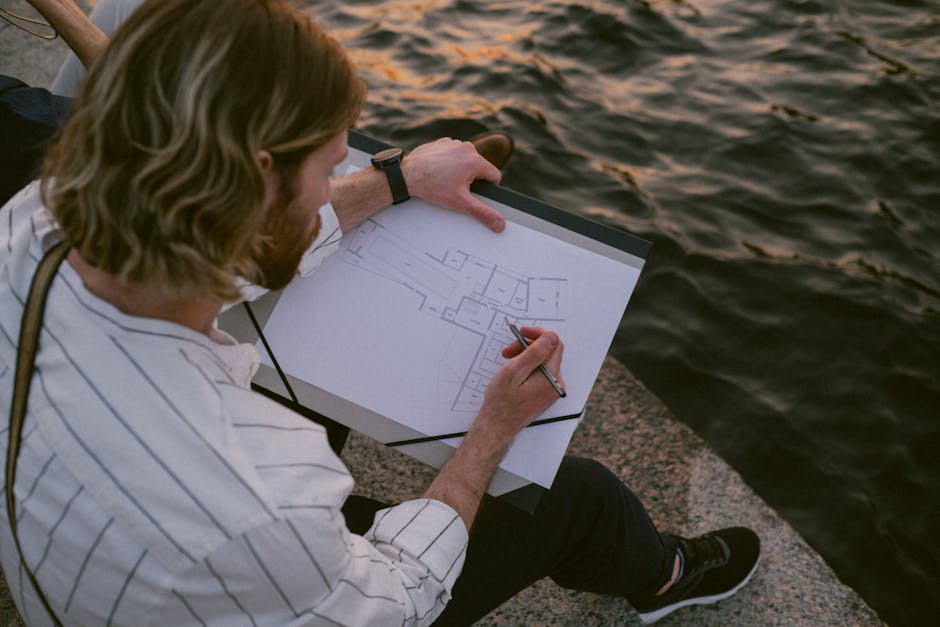
As the evening light filters through the window, the desk is cluttered with a sketchbook, a pen, and a half-empty coffee mug. It’s a quiet block of time before dinner, perfect for diving back into a creative photo project that had been sidelined for too long. The supplies sit zipped in a bag, a small reminder of the intentions to capture the world through a lens and a sketch. But the moment feels heavy with the weight of missed days, and the edge of the sketchbook calls out for attention, ready to document the current state of creativity.
Flipping open the sketchbook reveals a blank page, yet the next step is hazy. Without marking where to begin, the excitement quickly turns into uncertainty. Should the first action be to photograph the untouched supplies, or should a quick doodle set the tone? This hesitation often derails the session before it even starts. A simple check of what supplies are available could spark inspiration, but instead, the focus drifts, leaving the project in limbo. The act of capturing this moment, of committing to the process, is the first hurdle that many beginners face when trying to reignite their creative habits.
The First Step That Gets Skipped
At the home desk, the coffee mug sits next to an open sketchbook, its pages whispering for attention. The scattered supplies—colored pencils, a ruler, and a few sheets of textured paper—are all within reach, yet they remain untouched. This moment, ripe for a creative session, often feels daunting after a few missed days. The blank page at the edge of the sketchbook is both an invitation and a challenge, as the next step isn't marked, leaving the artist in a state of limbo.
Starting with a simple action can break this cycle of hesitation. Picking up a pencil, the first move might be to sketch a quick outline of the supplies, capturing their current state. This not only serves as a visual reminder of the tools at hand but also sets a tone for the session. The act of drawing even a few lines can spark ideas and reignite the creative spark. Instead of overthinking the next big project, focusing on this small, tangible action creates a pathway forward. As the pencil glides across the page, the initial friction of uncertainty begins to dissolve, allowing the creative process to unfold naturally.
Identifying the Initial Breakpoint
If this pattern keeps repeating, Creative Hobbies For Adults extends the idea without leaving the niche.
After a few missed days, the creative flow can feel like a distant memory. Sitting at the home desk, surrounded by a coffee mug and a zipped bag of supplies, the first step often becomes unclear. The supplies sit quietly, yet the next action remains unmarked, leaving the artist staring at the sketchbook page edge, unsure of what to photograph or draw.
- Start by deciding on a specific subject to capture, like the supplies themselves or a nearby plant.
- Check that all necessary items are at hand; if the camera is still in another room, it can create an unnecessary delay.
- Sketch a quick outline of the chosen subject to create a visual anchor for the session.
At this point, the initial drift is marked by indecision. Without a clear subject, the creative session can stall before it even begins. Taking a moment to photograph the current state of the supplies not only serves as a record but also helps solidify the next step, making it easier to dive back into the creative process.
Why This Friction Repeats
This same friction shows up again in Starting New Hobbies Slowly, especially when the day tightens unexpectedly.
Returning to a creative project often reveals a cluttered workspace, where a coffee mug sits next to a zipped bag of supplies. This environment can amplify feelings of overwhelm, especially for beginners. The sheer number of choices—what to draw, which supplies to use, or even how to start—can lead to decision paralysis. Instead of diving into the sketchbook, the artist might find themselves frozen, staring at the page without a clear direction.
Distractions are another hidden cause of this friction. If the desk is cluttered with unfinished projects or if notifications from a phone are pinging in the background, it becomes harder to focus on the task at hand. The mind wanders, and the initial excitement of starting a new creative session fades. In this state, even the simple act of placing a sketchbook on the desk feels daunting.
To break this cycle, consider a small yet effective adjustment: before starting, take a moment to clear the desk. Move aside any unrelated items, making space for just the sketchbook and essential supplies. Next, open the zipped bag and lay out the materials you plan to use. This not only reduces visual clutter but also creates a tangible starting point. It’s a straightforward way to signal to yourself that it’s time to create. However, this process takes time, and the tradeoff is that it may cut into your creative session, leading to a frustrating realization that preparation can sometimes feel like a chore.
A Simple Correction to Move Forward
Before diving back into your creative photo projects, take a moment to assess the current state of your sketchbook. If it’s been a few days since your last session, the blank pages can feel intimidating. To ease into your creative habit, start by placing a sticky note on the edge of your sketchbook. Write down three simple photography ideas you want to explore, like capturing textures around your home, experimenting with shadows, or focusing on a favorite object. This visible cue serves as a reminder of your first action, making it easier to transition back into creativity.
Next, open your supply bag and lay out the essentials: your camera, a notebook, and a pen. This small correction—removing the barrier of searching for supplies—makes the start of your session feel less daunting. Instead of letting the supplies stay zipped up, having them ready to go creates a tactile invitation to begin. If you’re working at your home desk during a quiet block before work or after dinner, the simple act of arranging your materials can shift your mindset from hesitation to action.
After you’ve set everything up, take a moment to photograph the current state of your desk with the supplies laid out. This not only marks the beginning of your creative session but also serves as a checkpoint for your progress. You’ll have a visual record of where you started, which can be motivating for your next session. Remember, the goal is to minimize friction, so keeping a checklist of ideas and having your materials visible can help you move forward without feeling overwhelmed.
What Becomes Easier After the Adjustment
Returning to your sketchbook after a few missed days can feel overwhelming, but setting the scene makes a significant difference. When you place your notebook, pen, and sketchbook within reach on your home desk, the initial step transforms from a daunting task into a simple action. Instead of searching through drawers or bags, everything is ready for your creative session. This tactile readiness invites you to engage with your materials immediately.
Once your supplies are laid out, take a moment to photograph the current state of your desk. This serves as a visual checkpoint, marking the beginning of your creative journey. The image captures not just the materials but also your intent to create. Next time you sit down, you can look back at that photo, reminding yourself of where you started and what you aimed to accomplish.
In your next time block, this adjustment leads to a smoother workflow. You’ll notice that instead of feeling stuck, you can dive straight into drawing or journaling. The supplies no longer sit zipped in a bag, and the absence of setup friction allows your creative ideas to flow more freely. This small shift in preparation not only enhances your current session but also lays the groundwork for a more consistent art practice moving forward.
Returning to your sketchbook after a few missed days can feel daunting, especially when the next step in your creative project isn’t clearly marked. Take a moment to check the edge of your sketchbook page; perhaps you left a note or a doodle indicating where you wanted to go next. If nothing is there, consider using a simple sticky note to jot down your immediate thoughts or ideas for your next session. This small action can bridge the gap between your last creative moment and the one you’re about to begin.
Before diving into your next creative session, ensure your supplies are easily accessible. If they’re still zipped in a bag, unpack them onto your art desk. The tactile experience of handling your materials can reignite your enthusiasm. By keeping your workspace inviting and ready, you eliminate setup friction and allow your creative impulses to flourish. As you sit down with your coffee mug nearby, take a deep breath, and remember: the process is as important as the outcome. This simple act of preparation can transform your creative photo projects from overwhelming to enjoyable.