Why Creative Photo Projects Stumble When Mood Takes Over
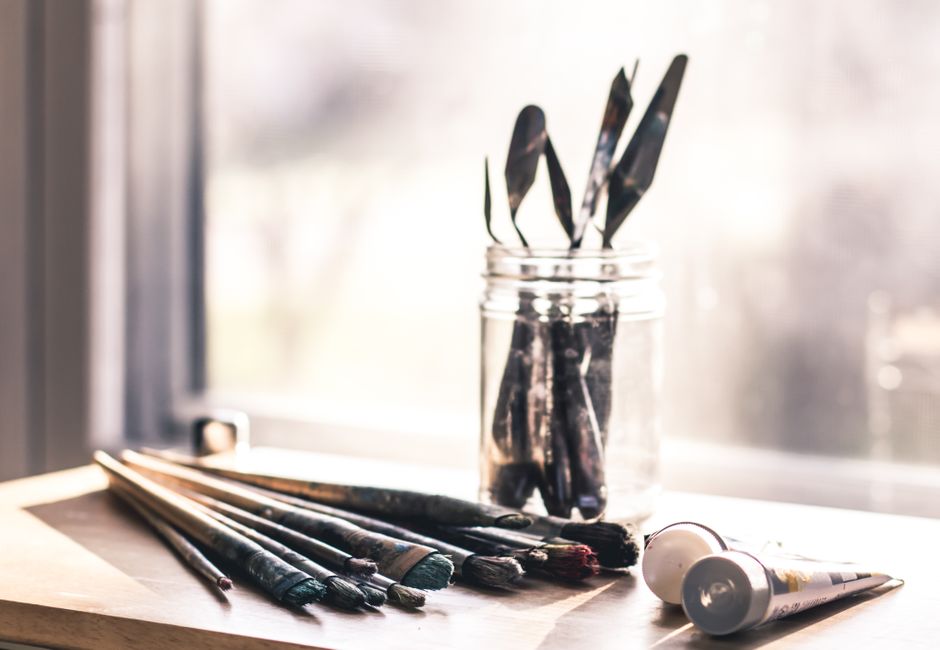
At the corner of my art desk, the sketchbook lies open, its blank pages waiting under the soft glow of a lamp. A quiet block of time stretches before me, perfect for a short creative session after dinner. I reach for my favorite pencil, but it’s dull, and I realize I need to sharpen it before I can even begin. This small delay nudges at the back of my mind, reminding me of how easily a simple task can stall the flow of creativity. Without the right setup, I feel the energy of the moment slip away, replaced by the mundane task of preparing my tools.
As I sit there, the coffee mug beside me cools, a gentle reminder of my intention to dive into a photo project. Yet, the absence of a clear restart cue weighs on me. I notice the scattered supplies—colored pencils, a ruler, and a few printed photos from my last outing—each one a potential spark for inspiration. But without the act of marking the next step, the transition from routine to a mood-driven practice feels daunting. The shift from structured creativity to a more spontaneous approach often leads to friction, leaving me wondering how to reignite that initial excitement.
Starting From a Prepared Space
The art desk corner is a small oasis of creativity, with a sketchbook open and a pen resting nearby, ready for action. A coffee mug, still warm, sits close at hand, its steam curling up into the air, mingling with the anticipation of a short creative session. This quiet block of time before work feels perfect for diving back into a photo project, but the clutter of scattered materials can easily disrupt that flow. I glance at the colored pencils and a few printed photos from my last outing, each one a reminder of what I want to create, yet they seem to whisper the potential for distraction.
Before I can get started, I realize I need to sharpen my pencil, a simple task that can derail my momentum. I reach for the sharpener, placing it directly on the desk, and take a moment to check the other supplies. The sketchbook lies open to a blank page, waiting for inspiration, but without that small act of preparation, the transition from routine to a mood-driven practice feels daunting. I remind myself that marking this next step is essential; it signals my commitment to the process. As I sharpen the pencil, I can feel the energy of my creative intention begin to build again, but I know that if I don’t keep this space ready, the next session might slip away just as easily as this one could begin. The Moment Routine Begins to Slip At my art desk corner, the soft light from the window casts a warm glow over my sketchbook, which lies open to a blank page, waiting for my next creative project. I can feel the quiet before work settling in, a perfect moment to dive into a short creative session. Yet, as I reach for my pencil, I realize it needs sharpening. This small task, often overlooked, can quickly turn into a barrier that stalls my momentum.
Without marking the next step in my sketchbook, I risk losing the thread of inspiration. I grab the sharpener and place it on the desk, then pause to check my supplies. The colored pencils are neatly arranged, but I notice that the pencil I need is still dull. As I sharpen it, I can feel the energy of my intention wane, a direct consequence of this missed check. If I had taken a moment to prepare before this session, I might have avoided this friction altogether.
After a few twists of the pencil in the sharpener, it’s finally ready. However, I can’t shake the feeling that this small delay has already shifted my mood. I remind myself that keeping this space ready for creativity is crucial. If I don’t establish a clear restart cue, the next session could slip away just as easily as this one began. The act of sharpening the pencil should have been a simple step, but it highlights how easily routine can falter when supplies aren’t ready at hand.
What Happens When Mood Takes Over?
Setting up for a creative session at my art desk corner often feels like a gamble when I rely solely on my mood. The notebook is open, the sketchbook is nearby, and my coffee mug sits waiting, but without a clear plan, I can easily drift away from the task. When I approach my materials without a structured routine, the energy I initially feel can quickly fade, leaving me unmotivated.
- Without a specific goal, I find myself distracted by the clutter on my desk—pencils scattered, papers out of order, and that half-finished craft project lingering in the corner.
- Engagement with my supplies becomes inconsistent; I might pick up a pen only to realize I need to sharpen it, a step I skipped in my excitement to start.
- Good intentions fall flat when I haven’t marked the next step in my creative process. I might think, "I’ll just doodle for a bit," but without that clear cue, I end up scrolling through my phone instead.
This friction highlights how easily mood-driven sessions can derail. The act of sharpening a pencil shouldn’t feel like a barrier, yet it often does when I haven’t prepared my materials ahead of time. If I don’t establish a routine that includes checking my supplies, my creative energy can evaporate before I even begin.
This same friction shows up again in Starting New Hobbies Slowly, especially when the day tightens unexpectedly.
A Simple Adjustment to Reinstate Routine
At my art desk corner, I’ve started placing a sticky note with a specific time written on it—5 PM, just before dinner. This small reminder has become essential in my attempt to carve out time for creative photo projects. No matter how my mood shifts throughout the day, knowing that I have a designated time helps me stay committed. It’s easy to let the hours slip away, especially when I’m tempted to scroll through social media instead of picking up my sketchbook.
Before I sit down to create, I check my supplies. I’ve learned to keep my pencils sharpened and my sketchbook open to a fresh page, ready for action. This simple setup reduces the friction that often derails my creative energy. If I notice my pencil is dull, I take a moment to sharpen it, which serves as a physical cue to start my session. This tiny action, though it seems trivial, signals my brain that it’s time to transition into a creative mindset.
Additionally, I’ve adopted a rule: if I don’t have my supplies ready, I don’t sit down. This means checking that my notebook is within reach and my favorite pen is filled with ink. By ensuring everything is prepared, I eliminate distractions that could pull me away from my creative session. A visible cue, like that sticky note, reinforces my commitment and keeps me focused on moving forward with my projects.
Carrying Forward the New Routine
If this pattern keeps repeating, Creative Hobbies For Adults extends the idea without leaving the niche.
With my art desk now a well-organized space, I find it easier to jump into a creative session. The sketchbook lies open, the pen is capped and ready, and the coffee mug sits nearby, steaming gently. This setup invites me to create, especially during those quiet moments before work or after dinner when inspiration strikes. I’ve noticed that simply having my supplies visible reduces the mental barrier that often halts my momentum.
After implementing this adjustment, I’ve developed a habit of marking the next step in my sketchbook. Before I finish a session, I jot down a quick note about what I want to explore next. This small act not only keeps my thoughts organized but also serves as a visual cue for when I return. If I’ve sketched a rough outline of a photo idea, I can easily pick up where I left off. The act of writing down my next move makes it feel less daunting to dive back in, even if days pass between sessions.
As I sit down to create, I can quickly grab my sharpened pencil and start without delay. The art desk remains an inviting space, and the ease of access to my materials fosters a more fluid transition into creativity. I no longer face the friction of rummaging through drawers or searching for a dull pencil; instead, I am met with a clear path forward, ready to engage with my projects.
Returning to the art desk after a break can often feel like a hurdle, especially when the creative session ends without a clear restart cue. If the sketchbook sits untouched, the next step can easily get lost in the shuffle of daily life. A simple yet effective practice is to keep a designated spot for your supplies—perhaps a pencil sharpener next to your notebook. This way, when you’re ready to create, the act of sharpening your pencil becomes a physical reminder that it’s time to dive back into your projects.
Before wrapping up a session, take a moment to note down your next idea or sketch in the corner of the page. This small act not only keeps the momentum alive but also serves as a tangible cue for your next creative block. By marking that next step, you ensure that when you return, you can seamlessly pick up where you left off, transforming potential friction into a clear pathway for your artistic journey.


