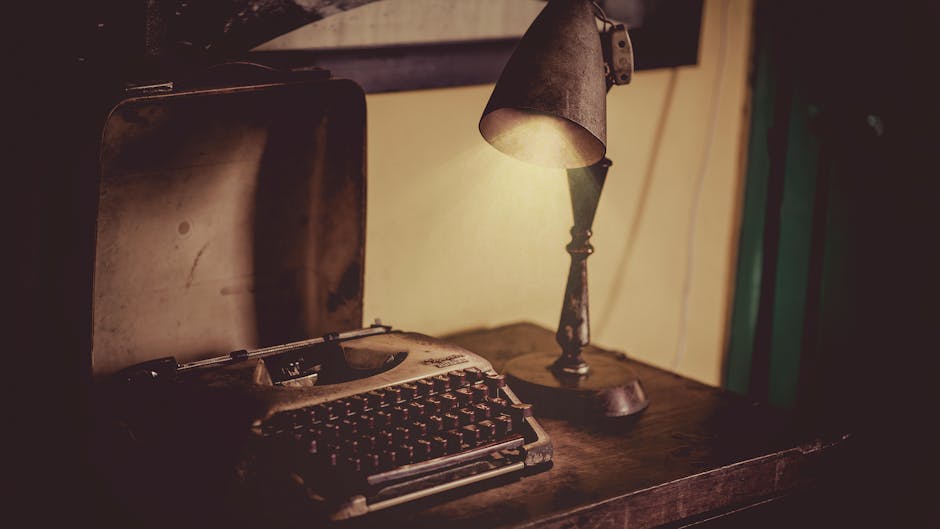
A More Useful Way to Approach Art Desk
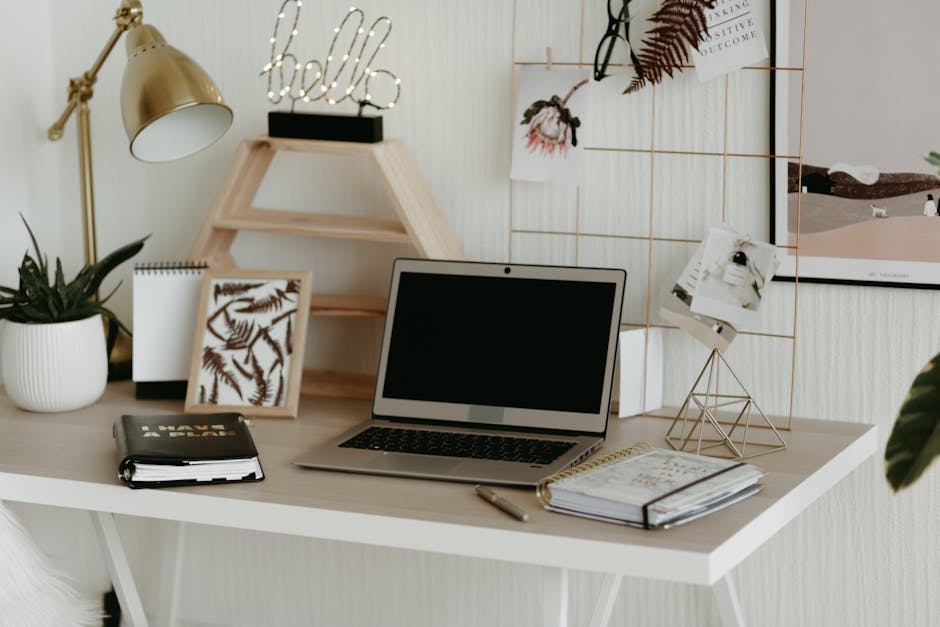
As the sun begins to set, casting a warm glow over the cluttered art desk, the sketchbook lies open, its pages waiting for fresh ideas. A coffee mug sits nearby, half-full, while a few pens and brushes are scattered across the surface, remnants of previous creative sessions. After a few evenings of missed opportunities to dive into photo projects, the urge to create is palpable. Yet, the supplies remain zipped in a bag, creating an invisible barrier that stalls the process. The quiet block of time before work is perfect for a short creative session, but the setup friction makes it hard to get started.
Reaching for the sketchbook, it becomes clear that the first step often overlooked is simply leaving one tool out. By placing a favorite pen on the desk, it serves as a visible cue, inviting the mind to shift gears into creativity. When supplies are within reach but not ready, the transition from thought to action can feel daunting. This small adjustment can help ease back into the rhythm of art practice, allowing for those fleeting moments of inspiration to be captured before they slip away.
The First Step That Gets Skipped
On the edge of the art desk, a sketchbook lies open, its pages slightly crinkled from previous sessions. A pen rests nearby, and a coffee mug, half-full, adds a familiar warmth to the space. Yet, the essential supplies are still zipped tight in a bag across the room, creating an invisible barrier that hinders the creative flow. The clock ticks down the minutes before work, and the pressure to make something tangible feels heavier with each passing second.
As the maker glances at the untouched sketchbook, it becomes evident that the first step to reigniting the creative spark is often overlooked: simply leaving one tool out. By placing the favorite pen on the desk, it transforms into a visible cue, prompting a shift in mindset. The act of reaching for the bag to retrieve the other materials feels daunting in this tight timeframe. Instead, the decision to keep the pen accessible allows for a smoother transition into creativity, inviting spontaneous doodles or quick notes before the day begins. This small yet significant adjustment can help bridge the gap between intention and action, making it easier to dive back into the art practice without the weight of setup friction.
Identifying the Friction Point
Even with a sketchbook open on the art desk and a coffee mug steaming nearby, the maker feels a familiar tug of frustration. The supplies sit zipped inside a bag, just a few feet away, yet they feel miles out of reach. This distance creates a mental barrier that stops the creative flow before it even begins. The act of unzipping the bag and laying out each tool becomes a daunting task, especially during a quiet block of time before work.
When the clock ticks down, every second counts. The moment spent rummaging through the bag to find the favorite pencil or eraser can feel like a lifetime. Instead of diving straight into a quick sketch or jotting down ideas, the maker finds themselves stalled by the very act of preparation. This missed check—failing to leave one essential tool out—turns into a source of irritation, leading to a decision to abandon the session altogether.
To counter this friction, a simple adjustment can make a world of difference. By placing the favorite pen directly on the desk, it serves as a visual cue that invites creativity. The next time a short creative session is on the horizon, consider setting out just one tool the night before. This small act transforms the workspace, making it easier to jump into the art practice without the weight of setup friction holding back the creative spirit.
A Simple Adjustment to the Sequence
A slightly different version of this problem appears in Creative Hobbies For Adults, where the sequence changes but the hidden drag feels familiar.
After a few missed evenings, the art desk can feel cluttered yet uninviting. The sketchbook, buried deep in a zipped bag, waits patiently for a creative session that never quite starts. When the time finally arrives—a quiet block before work or after dinner—the maker finds themselves hesitating, facing the friction of preparation. Instead of diving into the project, they waste precious minutes rummaging for the right tools.
To ease this setup friction, a simple adjustment can be made the night before. By taking the sketchbook out of the bag and placing it directly on the desk, the maker creates a visual cue that beckons creativity. This small change allows for a quicker start, eliminating the need to dig through supplies. The next time the urge to create strikes, the maker can simply reach for the sketchbook, ready to dive into their project without the weight of setup holding them back. Leaving that one essential tool out transforms the entire flow of the session, making it not just easier but also more inviting to engage in their art practice.
Carrying the Adjustment Forward
If this pattern keeps repeating, Starting New Hobbies Slowly extends the idea without leaving the niche.
With the sketchbook now resting on the edge of the art desk, the maker finds a new rhythm in their creative sessions. The presence of the sketchbook serves as a visual prompt, making it easy to jot down fleeting ideas before the day begins. This small act of preparation not only eliminates the usual fumbling through a zipped bag but also sets a tone for the entire day. When the maker sits down with their morning coffee, they can quickly flip open the sketchbook and capture thoughts that might otherwise slip away.
As the busy day unfolds, this adjustment proves invaluable. Instead of waiting for the evening to feel inspired, the maker can now carry a few ideas into their workday. The act of writing down a quick note or sketching a concept in the morning creates a thread of continuity, reinforcing a consistent creative habit. By the time they return home, the maker feels less like they are restarting from scratch and more like they are picking up where they left off. This simple change fosters a smoother transition back into their craft projects, making it easier to dive into the evening’s creative session without the usual setup friction.
Returning to creative photo projects after a few missed days can feel daunting, especially when supplies remain zipped away in a bag. A quick way to ease back into the flow is to leave out a single tool, like a favorite pen or sketchbook, on your art desk. This small, visible cue serves as a reminder to engage with your creative habits, making it less likely for the day to slip by without a moment of inspiration.
As the evening approaches, take a few minutes to sit down with your supplies ready and waiting. This simple act of preparation encourages you to start a short creative session without the usual setup friction. By making your tools accessible, you create a seamless transition from your busy day to your art practice, allowing your creativity to flourish even when time is tight.