Avoiding Creative Drift: Keeping Your Sketchbook Sessions on Track
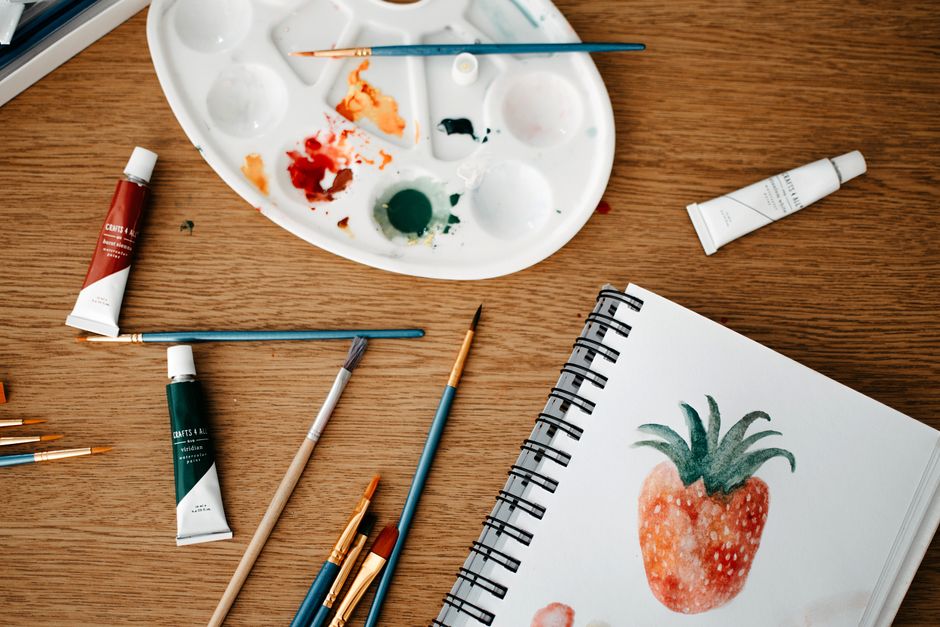
As the clock ticks towards the quiet hour after dinner, the art desk beckons with its familiar clutter. A sketchbook lies open, its pages waiting for the next burst of creativity. The supplies, neatly arranged in a tray, are ready to be put to use, yet the moment feels heavy with indecision. Instead of diving into a new drawing, the hobbyist hesitates, coffee mug in hand, contemplating the shift from structured creative sessions to a more casual, mood-driven approach. The vibrant energy that once fueled these projects seems to have dulled, and the next step remains unmarked. The supplies stay zipped in a bag, a small but telling sign of a deeper friction that has crept into the practice.
This change in routine often leads to missed opportunities for expression. The act of opening the sketchbook, once a signal to start, now feels like a chore. Without a clear plan or a note from the last session to guide the way, the creative flow falters. The absence of a simple checklist or a reminder of what was left unfinished adds to the confusion, making it easy to slip into a state of inaction. As the hobbyist sits at the desk, the question lingers: how did the joy of spontaneous creation turn into a struggle to engage with the materials at hand?
The Moment Before the Drift
The desk is a canvas of potential, organized with a fresh sketchbook, a smooth pen, and a steaming coffee mug, all within arm's reach. As the clock strikes 7 PM, the ambient quiet of the home creates an inviting backdrop for a creative session. This is the time when ideas should flow freely, yet something feels off. The excitement of starting a new project is overshadowed by the absence of a clear direction.
Opening the sketchbook should be a simple act, a gateway to creativity, but it becomes a moment of hesitation. Without a note from the last session to remind what was left unfinished, the blank pages seem daunting. The supplies, neatly zipped in a bag, are ready to go but feel more like an obstacle than an invitation. The hobbyist glances at the organized desk, contemplating the next step, but finds the lack of a checklist or a specific goal stifling. This shift from a structured approach to a more casual, mood-driven practice has led to a disconnect, making it easy to slip into inaction rather than engaging with the materials laid out before them.
The Small Mistake That Leads to Chaos
This same friction shows up again in Creative Hobbies For Adults, especially when the day tightens unexpectedly.
Opening the sketchbook feels like a familiar ritual, yet today it carries an unsettling weight. The pages are pristine, waiting for inspiration, but the absence of a note from the last session leaves a gap in the creative flow. Without that reminder of what was left unfinished or what ideas sparked interest, the blank canvas feels intimidating rather than inviting. The hobbyist sits at the art desk, coffee mug steaming beside them, and stares at the untouched pages, wondering where to begin.
Meanwhile, the supplies remain zipped in a bag, a silent barrier to spontaneity. Instead of reaching for the colored pencils or markers, the hobbyist hesitates, caught in the limbo of indecision. The setup drag is palpable; the act of unzipping the bag and laying out the materials feels like an additional hurdle rather than a simple step toward creativity. This lack of a defined next step makes it easy to slip into a passive mood, where the session becomes more about waiting for inspiration than actively engaging with the materials.
To counter this drift, a quick check could help: a simple note placed inside the sketchbook at the end of each session can serve as a guide for the next. It doesn’t need to be elaborate—just a few keywords about the last idea or a reminder of what to explore next. This small adjustment can transform the blank pages from a source of confusion into a launchpad for creativity, ensuring that the next session doesn’t feel like starting from scratch again.
Quick Fixes to Regain Focus
A slightly different version of this problem appears in Starting New Hobbies Slowly, where the sequence changes but the hidden drag feels familiar.
Opening the sketchbook at your home desk, the familiar sight of your supply tray filled with colored pencils and markers can spark a sense of potential. However, without a clear direction, that potential can quickly fade into indecision. To combat this, consider establishing a quick checklist of ideas or themes to explore before diving into your creative session. This could be as simple as jotting down three keywords related to your current interests, which you can keep tucked inside the front cover of your sketchbook.
- List three themes to explore during your session.
- Set a timer for 15 minutes to encourage focused drawing.
- Place a note in the sketchbook to mark where you left off.
By implementing this small checklist, you create a tangible starting point that can minimize the friction of setup. Next time you sit down after dinner or during a quiet block before work, you won't waste time deciding what to do. Instead, you can immediately refer to your list, set the timer, and dive into your drawing. This simple shift can help maintain your creative momentum, ensuring that your sessions feel productive rather than passive.
Establishing a Repeatable Creative Pattern
Setting aside specific time slots for your sketchbook sessions can transform your creative practice from a casual endeavor into a structured routine. Treating these sessions like appointments helps eliminate the friction of indecision. For instance, if you decide to sketch every Tuesday evening after dinner, you create a reliable space for creativity. When that time arrives, the only task left is to open your sketchbook and begin drawing.
Before diving in, take a moment to review previous sketches. This simple act can spark inspiration and guide your next project. Perhaps you notice a recurring theme in your drawings or a technique you want to refine. Keeping your sketchbook on your art desk, alongside a pen and a cup of coffee, makes it easy to grab and start. If you have a note tucked inside the front cover with ideas or themes to explore, you can quickly reference it and pick up where you left off.
However, if you skip this review step, you might find yourself staring at a blank page, unsure of what to create. This missed opportunity can lead to frustration, making it harder to maintain your creative momentum. By consistently marking where you left off and noting ideas for the next session, you build a bridge between each creative moment, ensuring that your practice remains fluid and engaging.
As you settle into your creative session, remember that the absence of a clear next step can derail your flow. If you find your supplies zipped away in a bag, take a moment to unpack them and lay them out on your art desk. This small act not only reduces setup drag but also visually cues your mind that it’s time to create. Without marking where you left off in your sketchbook, you risk losing the thread of your ideas, making it harder to dive back in.
Next time you wrap up a session, jot down a quick note in your sketchbook about what you want to explore next. This simple reminder can be the difference between a scattered approach and a focused creative practice. By keeping your materials accessible and your intentions clear, you ensure that your photo projects remain vibrant and engaging, rather than succumbing to the whims of mood-driven spontaneity.