Rethinking Creative Photo Projects: From Default to Workable

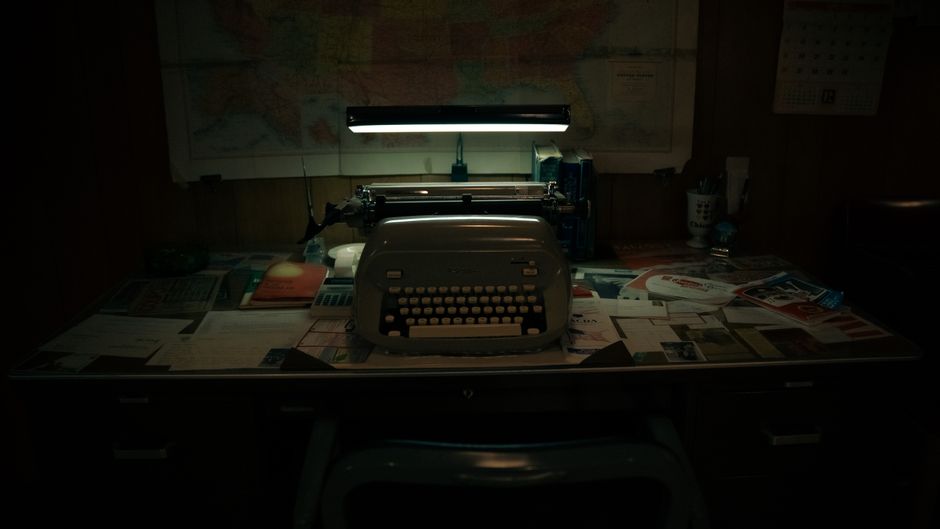
At my home desk, the familiar sight of my art supplies awaits me: a sketchbook, a well-loved notebook, and a coffee mug half-filled with cold brew. It's a quiet block of time, just after dinner, where I usually dive into a creative session. However, the thought of starting a new photo project feels daunting. I glance at the supply tray, cluttered with pencils, markers, and a few forgotten tools, and I can’t shake the feeling that the setup is larger than the actual practice. The pencil, for instance, needs sharpening before I can even begin to sketch out ideas, which adds an unnecessary delay to my creative flow.
As I sit there, I realize that the default routine often involves gathering materials and setting up an elaborate workspace, which can feel overwhelming after a few missed days of creativity. This friction makes it easy to lose motivation before even starting. What if I simply left one tool out, like my favorite pencil, ready to go? By reducing the setup to a single, accessible action, I could shift my focus back to the joy of creating rather than getting bogged down in preparation. It’s a small adjustment, but it could make all the difference in reigniting my creative habits.
The Default Method: A Familiar Struggle
Creative sessions often kick off with the ritual of gathering materials. I find myself sifting through my supply tray, which is overflowing with half-used sketchbooks, a coffee mug that’s become a pen holder, and an assortment of colored pencils. This initial step, while seemingly reasonable, can quickly morph into a time-consuming task. The excitement of diving into a new project is often dampened by the need to prepare, and I can feel my motivation slipping away before I even put pencil to paper.
After a few missed days, the idea of setting up my art desk feels daunting. I glance at the clock, noting that I only have a short block of time before work. Instead of jumping straight into the creative process, I find myself sharpening pencils and organizing my sketchbook. Each minute spent preparing chips away at my enthusiasm. I realize that this familiar routine, while comforting, has become a barrier to my creativity.
What if I streamlined this process? Leaving just one tool out, like my favorite sketching pencil, could simplify my start. By placing it directly on my desk, I could bypass the need for extensive setup and get straight to the fun part—drawing. This small adjustment could shift my focus back to creating rather than preparing, allowing me to reclaim those fleeting moments of inspiration. Yet, the question lingers: will this simple change be enough to overcome the inertia of my default method?
Where the Default Method Falls Short
On my art desk, a jumble of materials sprawls across the surface, making it hard to dive into a creative photo project. My sketchbook lies buried beneath a stack of old prints, and my favorite pencil is nowhere to be found. When I finally locate it, I realize it needs sharpening. This simple task, once a mere prelude to creativity, now feels like a chore that drains my initial excitement. Each minute spent searching for supplies and preparing them chips away at my motivation to create.
As I sit there, I can’t help but notice how this traditional routine often sets me up for failure. The thrill of starting a new project gets overshadowed by the cumbersome setup. I think about how much smoother it would be if I took a moment to streamline my process. Instead of letting my art supplies scatter across the desk, I could designate a small tray for my essentials—just my sketchbook, a sharpened pencil, and a pen. By leaving this ready-to-start setup on my desk, I could eliminate the friction of searching and organizing, allowing me to jump into my creative session without hesitation.
This shift might seem minor, but it could be the difference between a productive evening and a missed opportunity for creativity. The reality is that when I’m under pressure—like a quiet block of time before work—I need to minimize distractions. The question remains: will this simple adjustment be enough to reignite my passion for creative photo projects, or will the weight of my default method continue to hold me back?
A More Workable Alternative: Ready-to-Start Setup
A slightly different version of this problem appears in Creative Hobbies For Adults, where the sequence changes but the hidden drag feels familiar.
Returning to my creative photo projects after a few missed days often feels daunting. The clutter on my art desk makes even the thought of starting overwhelming. I find myself staring at my supplies, contemplating the time it takes to gather everything I need. What if I could simplify this? By keeping just a sharpened pencil and my sketchbook on the desk, I could eliminate that initial barrier and dive right into my creative session.
Designating a small tray for my essentials changes everything. I place my sketchbook, a few pens, and that sharpened pencil in it, ready for immediate use. This way, when I have a quiet moment before work or after dinner, I can simply grab my coffee mug, sit down, and start drawing without the usual setup friction. The difference is palpable: instead of wasting precious minutes searching for tools or organizing my space, I can focus on the act of creation itself. This small adjustment not only streamlines my process but also encourages spontaneity. However, I wonder if this will be enough to keep my momentum going, or if the allure of my default, more cumbersome method will still linger in the background.
Understanding the Tradeoff: Convenience vs. Preparedness
If this pattern keeps repeating, Starting New Hobbies Slowly extends the idea without leaving the niche.
When I sit down at my art desk, the clutter of supplies can feel overwhelming. A full setup often includes my sketchbook, a range of pens, colored pencils, and even watercolors. This comprehensive approach, while thorough, can lead to a frustrating delay before I even start drawing. For instance, if I notice my favorite pen is out of ink or my colored pencils need sharpening, I waste precious minutes just preparing. This friction can easily turn a creative session into a chore, especially after a few missed days.
In contrast, a ready-to-start setup encourages me to engage with my creative habits more frequently. By keeping just my sketchbook and a single sharpened pencil on the desk, I eliminate the setup barrier. This means that during a quiet block before work or after dinner, I can simply pick up my coffee mug, sit down, and begin sketching. However, this convenience comes with a tradeoff: I might miss out on exploring more complex ideas that require a broader range of tools. While I can quickly dive into a drawing, the lack of options can stifle deeper exploration.
Ultimately, the choice between convenience and preparedness depends on my goals for each session. If I’m looking for quick inspiration, the minimalist approach works well. But when I crave a more thorough exploration of ideas, I find myself longing for that comprehensive setup, even if it means sacrificing spontaneity. This tension between immediate access and thorough preparation remains a constant in my creative practice.
Finding the Fit: When to Embrace the Alternative
Returning to my home desk after a few missed days, I find my sketchbook open, but the setup feels bigger than the actual practice. A quiet block of time, just before work or after dinner, presents a perfect opportunity for a short creative session. Instead of gathering a multitude of supplies, I leave just my sketchbook and a sharpened pencil on the supply tray. This ready-to-start setup invites me to dive in without hesitation.
However, this minimalist approach is ideal primarily for those quick bursts of creativity. On days when I feel overwhelmed or distracted, having only the essentials allows me to engage with my art practice without the weight of extensive planning. I can simply sit down, sip my coffee, and begin sketching whatever comes to mind. Yet, this convenience has its limitations. For larger projects that require deeper exploration, such as a themed photo series or an intricate drawing, I find myself wishing I had more tools at my disposal. The absence of additional materials can stifle my creative flow, making it harder to develop complex ideas.
In these moments, I realize that while a ready-to-start setup is fantastic for spontaneous journaling, it may not serve me well when I want to tackle a more ambitious craft project. The tradeoff between immediate access and thorough preparation becomes evident. I must decide whether to embrace the simplicity of a quick session or invest time in gathering a broader range of materials for a more fulfilling creative exploration.
Returning to my sketchbook after a few missed days often feels daunting. I glance at my art desk cluttered with supplies, and the thought of setting everything up can be overwhelming. Yet, I’ve learned that leaving just one essential tool, like a sharpened pencil, ready on my supply tray makes all the difference. It transforms the act of starting into a simple, inviting process rather than a chore. This small adjustment reduces the friction that can halt my creativity and allows me to dive right into a short creative session.
Ultimately, the challenge remains: how do I balance the ease of spontaneous creativity with the need for thorough preparation? I find that having a ready-to-start setup encourages me to engage more frequently with my projects, even if I choose to keep my sessions brief. As I sit down with my coffee mug beside me, I remind myself that embracing simplicity can lead to unexpected bursts of inspiration, even if I’m not fully equipped for a larger endeavor.