Small Changes to Restart Your Creative Photo Projects
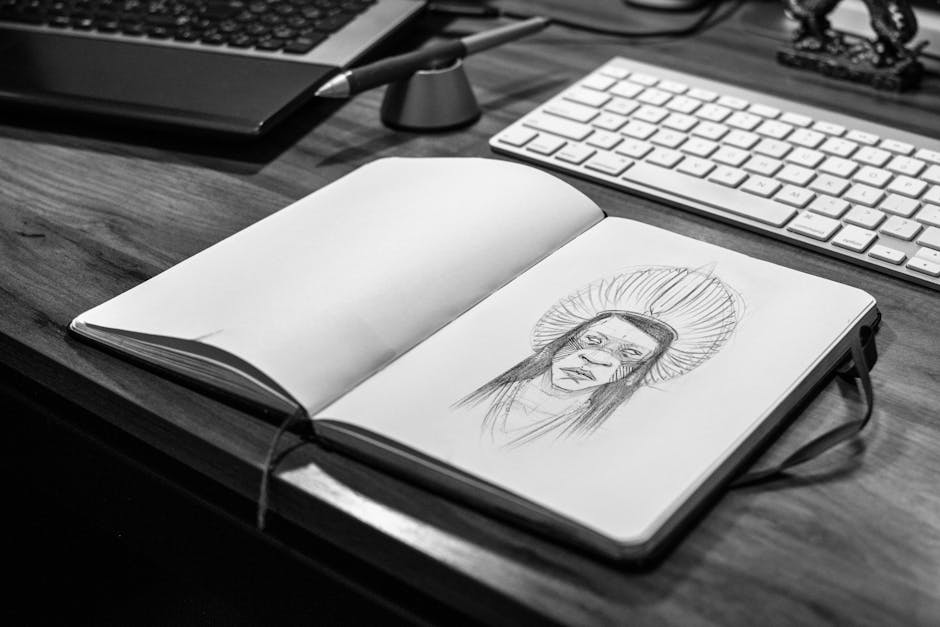
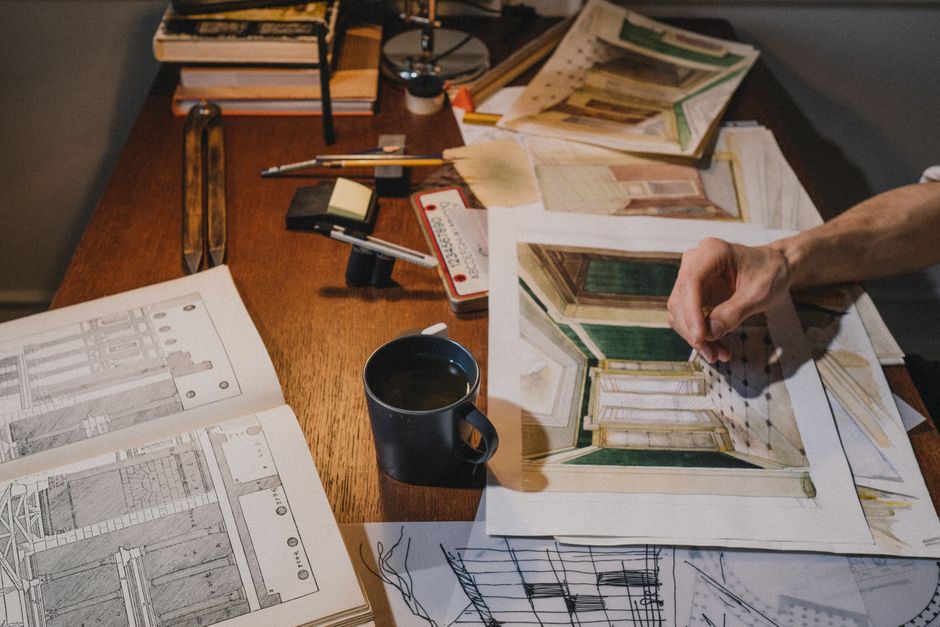
The lamp casts a warm glow over my cluttered art desk, illuminating the scattered tools of my trade: a well-worn sketchbook, a few pencils, and a half-drunk coffee mug. As I sit down for a brief creative session after dinner, I can’t help but notice the familiar weight of hesitation settling in. It’s been a few evenings since I last picked up my pencil, and the next step in my photo project remains frustratingly unmarked. I know I need to dive back in, but the thought of starting feels heavier than it should. The sketchbook sits there, inviting yet daunting, as if it’s waiting for me to make the first move.
Before I can begin, I realize that my pencil needs sharpening, a small but crucial detail that has been overlooked in my absence. This simple task, often taken for granted, serves as a tangible reminder of the friction that builds when creativity is put on hold. I reach for the sharpener, and as I twist the pencil, I can feel the resistance of the unsharpened tip giving way to a fine point. This small act not only prepares me for the next stroke on the page but also marks a clear transition back into my art practice, allowing me to reclaim the momentum I thought I lost.
The Routine That Starts to Slip
The lamp casts a warm glow over my art desk, illuminating the sketchbook that lies open, its pages blank and waiting. A coffee mug sits nearby, still half-full, a reminder of the late evenings spent sketching and planning. But tonight, that energy feels distant; it's been several days since I last engaged with my creative projects. The weight of those missed evenings hangs in the air, making the thought of starting again feel more like a chore than a joy.
As I sit down, I notice the pencil resting beside the sketchbook, its tip dull and uninviting. I realize that this small detail—this overlooked tool—has become a barrier. Before I can even begin to think about my next photo project, I need to sharpen it. I reach for the sharpener, a simple action that feels monumental in this moment. As I twist the pencil, shavings fall away, and the familiar scent of wood fills the air. With each turn, I can feel the pencil transforming, the resistance giving way to a fine point that promises precision and clarity.
Once sharpened, I place the pencil back on the desk, ready for action. But before diving into the sketchbook, I take a moment to jot down a note for my next session, a quick reminder of the direction I want to take. This small act—marking a clear intention—creates a bridge back to my creative habits. It’s a tangible step that counters the inertia built up during my absence. Now, I can finally open the sketchbook, ready to reclaim my art practice, even if it feels like a hesitant restart.
When the Creative Mood Becomes a Barrier
If this pattern keeps repeating, Creative Hobbies For Adults extends the idea without leaving the niche.
Evenings at my home desk often start with a comforting routine: dimming the lamp just enough to create a cozy glow while I sip coffee from my favorite mug. However, after a few missed days, that routine transforms into a daunting hurdle. The pressure to create something meaningful looms large, and the blank pages of my sketchbook seem to mock me. I sit there, pencil in hand, feeling overwhelmed by the weight of expectation. The last time I worked on my photo project, I had intended to sketch out a few ideas, but I never clearly marked the next step. Now, uncertainty fills the space where inspiration should be.
In this moment of hesitation, I realize that my creative session has shifted from a productive slot to a mood-based approach, where I’m stuck in my head instead of engaging with the materials in front of me. The pencil, still dull from my last session, needs sharpening before I can even begin. I grab the sharpener, but the act feels monumental. As I twist the pencil, the shavings scatter across my desk, and I catch a whiff of fresh wood. This small action, while seemingly trivial, serves as a catalyst. It’s a reminder that I need to mark my next step, so I quickly jot down a note in the corner of my sketchbook: "Focus on color palettes for the next shoot." This note becomes my anchor, creating a bridge back to my creative habits and helping me reclaim my art practice, even if it feels like a hesitant restart.
Why Small Adjustments Matter
This same friction shows up again in Starting New Hobbies Slowly, especially when the day tightens unexpectedly.
The moment I sit down at my lamp-lit work surface, a familiar tension fills the air. My desk, cluttered with half-finished sketches and scattered materials, feels chaotic, amplifying the anxiety that creeps in after a few missed evenings of creative work. Instead of excitement, I’m met with a sense of dread as I contemplate opening my sketchbook. The good intentions of diving back into my photo projects clash with the overwhelming sight of my art desk, where my last session ended abruptly, leaving no clear path forward.
As I scan the mess, I realize that the next step in my creative process was never marked. Without a note or a clear direction, I’m left with a blank slate that feels more like a void. I reach for my pencil, but it’s dull, a small detail that becomes a significant barrier. I know I need to sharpen it before I can even begin to draw or jot down ideas. This seemingly trivial task, though, requires me to shift my mindset from passive observation to active engagement. I pick up the sharpener, and as I twist the pencil, the shavings scatter across the desk, a reminder of the small actions that can reignite my creative flow.
With the pencil now sharp, I take a moment to breathe and refocus. I open my sketchbook and write a quick note in the corner: "Explore lighting techniques for the next shoot." This simple act of marking my next step transforms my approach, bridging the gap between my intentions and actions. It’s a small adjustment, yet it holds the power to pull me back into my creative habits, even amidst the chaos of my workspace.
A Simple Adjustment to Kickstart Creativity
Evenings at my art desk can feel daunting after a few missed days. The lamp casts a warm glow over my sketchbook and scattered materials, but the blank pages stare back, waiting for inspiration. I glance at my pencil—it’s dull, and I realize that this small detail could derail my entire creative session. Without a sharp pencil, I can’t even sketch a basic outline or jot down a fleeting idea. This friction, while minor, can easily become a reason to postpone creativity yet again.
Before diving into my next project, I take a moment to sharpen my pencil. As I twist it in the sharpener, the shavings tumble onto the desk, reminding me of the tangible steps that can reignite my creative flow. With the pencil now ready, I open my sketchbook and write a note in the corner: “Experiment with shadows in the next photo shoot.” This action not only marks my next step but also creates a clearer starting point for when I return to my creative work.
By taking these small actions—sharpening my pencil and noting my next focus—I set the stage for a more productive session. The act of writing down my next steps transforms the overwhelming blankness into a manageable plan. I can see the connection between these simple tasks and the ease of getting back into my creative habits. Next time, I’ll remember to prepare my tools and jot down thoughts before I sit down at my desk, making the transition into creativity smoother and more inviting.
What Gets Easier in the Next Time Block
As I sit at my lamp-lit work surface, I notice the sketchbook lying open, its blank pages waiting for the next creative impulse. The quiet block before dinner feels like a perfect moment to dive back into drawing. I pick up my pencil, the lead still sharp from last week’s session, and flip to a fresh page. There’s something reassuring about the tactile feel of the paper beneath my fingers, a reminder of the projects I’ve started and the ones I still want to explore.
Before I start sketching, I take a moment to write a note at the top of the page: "Focus on textures in the next photo project." This simple act not only gives me a clear direction but also reduces the friction of starting. The next time I sit down, I won’t have to wrestle with the uncertainty of where to begin. Instead, I’ll have a tangible prompt that can guide my creative session.
With the note in place, I feel a subtle shift in my mindset. The act of marking my intention transforms the blank page into a canvas of possibilities. I can now envision how I might incorporate different textures into my upcoming photos, whether it’s the roughness of tree bark or the smoothness of a glass surface. This clarity allows me to approach my next creative session with a sense of purpose, making it easier to pick up where I left off.
After a few missed evenings, returning to my art desk can feel daunting. The lamp casts a warm glow over my sketchbook, but the blank pages seem to mock me. I realize I haven’t marked the next step in my creative process, which only adds to my hesitation. Instead of diving right into a new project, I take a moment to sharpen my pencil. This small act not only prepares me physically but also mentally. It’s a simple ritual that signals the start of my creative session.
With my pencil ready, I open my sketchbook to the last page I worked on. There, I find the note I wrote previously, reminding me to focus on textures for my next photo project. This prompts me to think about the materials I want to capture and the techniques I can apply. The act of revisiting my intentions helps bridge the gap between my past and present creative habits, making it easier to start again. The next time I sit down, I’ll remember to write a note before I finish, ensuring I always have a clear direction to guide my work.