The Small Shift That Revives Your Creative Photo Projects
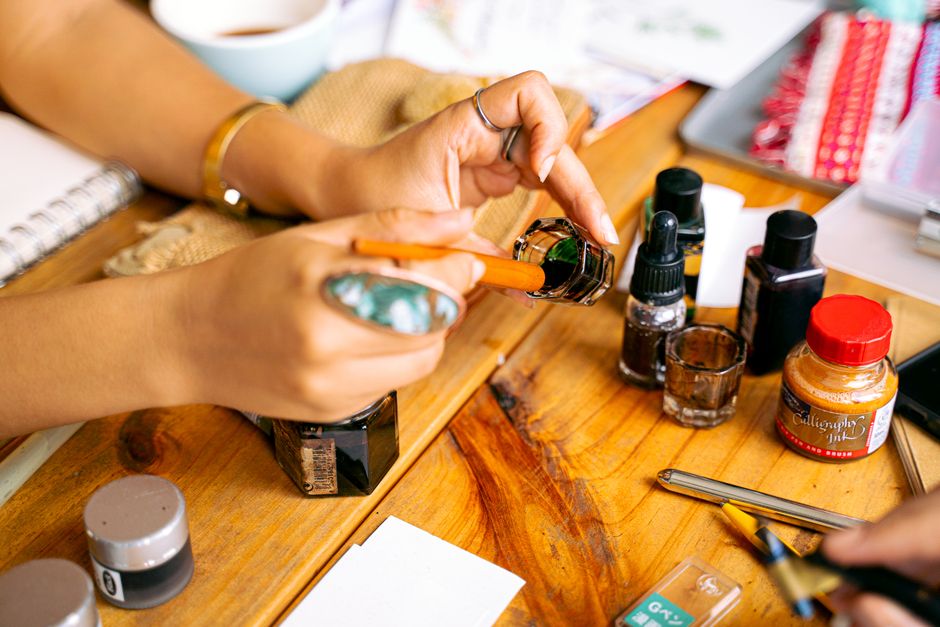
As the evening light filters through the window, I sit at my art desk corner, surrounded by the familiar clutter of creative materials. My sketchbook lies open, a few pages filled with half-formed ideas, and my coffee mug sits nearby, still warm. This quiet block of time, just before dinner, feels like the perfect moment to dive into a new photo project. Yet, as I reach for my supplies, I realize they remain zipped in a bag, untouched since my last session. The thought of unpacking everything feels like an obstacle, and I hesitate, wondering how to reignite the spark.
Ending a creative block often hinges on the cues we leave for ourselves. Without a clear stopping point or a note marking the next step, it’s all too easy to let the momentum fade. I glance at my notebook, where I could jot down a simple reminder for my next session, but the idea slips away as I get distracted by the clutter. This missed check transforms my art desk into a barrier rather than a launchpad, making it harder to transition back into my creative flow. A small adjustment, like setting out my tools or leaving a note, could turn this space into an inviting starting point instead of a daunting task.
Inside the Creative Corner: A Routine in Motion
The art desk corner is a small sanctuary, cluttered yet inviting, with a sketchbook open and a pen resting beside it, ready for the next idea to spill onto the page. As I sip my coffee, the quiet of the early morning wraps around me, a perfect moment before the day unfolds. This is when I often find myself drawn to craft projects, the promise of creativity hanging in the air. Yet, there’s a familiar tension lurking beneath the surface: the supplies remain zipped in a bag, untouched since my last session.
With each passing minute, the urge to start fades slightly, and I realize that without a clear stopping point from my previous session, I’m left without a cue to dive back in. I glance at my notebook, where I could easily jot down a reminder for my next step, but the thought feels overwhelming amidst the scattered materials. Instead of a seamless transition, my art desk becomes a barrier, a reminder of what I haven’t accomplished rather than a launchpad for new ideas.
To combat this friction, I decide to take a small but effective step: I place my pen directly on the first blank page of the sketchbook, marking it as the starting point for my next creative session. This simple action transforms the desk into a more inviting space. Now, when I return, I won’t just see a jumble of supplies; I’ll have a clear invitation to create. It’s a minor adjustment, but one that could make all the difference in reigniting my creative flow.
When the Flow Starts to Slip: A Common Break Point
As I wrap up a creative session at my art desk corner, the excitement of starting a new photo project quickly fades. My supplies, still zipped in a bag, sit untouched, a stark reminder of the ideas I had but didn’t execute. Instead of feeling energized to dive back in, I find myself facing a wall of indecision. The absence of a clear stopping point from my last session leaves me without a cue to reignite my creative spark. I glance at my notebook, but the thought of writing down my next step feels daunting amidst the clutter of materials scattered around.
This friction creates a ripple effect: without a visible prompt, my mind drifts away from the project. The cozy block of time I had reserved for creativity, right after dinner, slips into a missed opportunity. I realize I need to bridge this gap and create a smoother transition for my next session. To do this, I take a moment to jot down a single note in my sketchbook, marking the next step I want to tackle. This small act of preparation transforms my desk from a chaotic space into a more inviting one. Now, when I return, I won’t just see a jumble of supplies; I’ll have a clear invitation to create, making it easier to pick up where I left off without hesitation.
Why Routine Becomes a Mood: The Hidden Friction
The phone buzzes beside my art desk, a constant stream of notifications pulling my attention away from the creative project I had hoped to dive into. Each ping feels like a small weight, adding to the clutter of the environment. My desk, once a sanctuary for creativity, is now a chaotic mix of half-finished sketches and scattered supplies. The vibrant colors of my markers and the crisp pages of my sketchbook are overshadowed by the digital distractions, making it hard to settle into a productive mindset.
As I glance around, I realize that good intentions alone aren’t enough to spark creativity. I had planned to sketch a new photo project, but without a clear stopping point from my last session, I’m left with a vague sense of what to do next. The clutter on my desk isn’t just physical; it reflects the mental noise that keeps me from focusing. I take a moment to breathe, but the lack of an immediate goal makes it hard to regain momentum.
To combat this, I reach for my notebook and pen, determined to create a tangible next step. I write down a single line: "Sketch the layout for the photo project." This simple act of marking my next move transforms the chaotic space into a more inviting one, offering a clear cue for my next creative session. Instead of feeling overwhelmed by the mess, I now have a specific action to return to, making it easier to pick up where I left off. Yet, even with this adjustment, the underlying friction remains—a constant reminder of how distractions can shift focus away from the creative process.
A Simple Adjustment to Mark Your Next Step
This same friction shows up again in Creative Hobbies For Adults, especially when the day tightens unexpectedly.
As I sit at my art desk corner, the remnants of my last creative session linger—a half-finished sketchbook, scattered pens, and a coffee mug that’s gone cold. The clutter feels like a barrier, making it hard to dive back into my photo project after a few missed evenings. I realize I need a clear cue to signal my next move, something tangible to bridge the gap between sessions.
Before I wrap up for the evening, I grab my sketchbook and flip to a fresh page. I take a moment to jot down a quick note: "Draft a color palette for the next shoot." This small act doesn’t just serve as a reminder; it transforms the chaotic space into a more inviting one. I place the sketchbook prominently on my desk, open to that page, ensuring it’s the first thing I see when I return. This simple adjustment shifts my focus from the overwhelming mess to a specific action I can take next.
By marking my next step clearly, I create a mental anchor that reduces the friction of starting again. Instead of feeling lost when I sit down for my next creative session, I’ll have a direct path laid out. The supplies may still be zipped in their bag, but now I know exactly where to begin. This method of leaving a visible note not only streamlines my workflow but also cultivates a habit that makes it easier to resume my creative hobbies without hesitation.
What Gets Easier in the Next Time Block
A slightly different version of this problem appears in Starting New Hobbies Slowly, where the sequence changes but the hidden drag feels familiar.
After a few evenings of missed creative sessions, I find myself at my art desk corner, staring at my supplies still zipped in their bag. The quiet block before work feels like a perfect moment to dive back in, yet the thought of starting feels daunting. I glance at my sketchbook, its pages filled with half-finished ideas, and realize I need a clearer plan for when I sit down again.
Instead of leaving my workspace in disarray, I take a moment to pull out my notebook and pen. I jot down a quick note: "Choose a theme for the next photo project." This small act serves as a mental cue, transforming an overwhelming blank space into a focused task. I place the notebook on top of my sketchbook, ensuring it’s visible when I return. By marking this next step, I create a straightforward path for my next creative session.
When I come back later, the note acts as a gentle nudge, reminding me of what I intended to explore. This adjustment not only makes it easier to restart but also reduces the friction of deciding what to do next. Instead of feeling lost, I can immediately dive into brainstorming ideas for my project, knowing exactly where to begin. The supplies may still be packed away, but the clear intention makes all the difference, allowing me to reclaim my creative flow without hesitation.
As I sit at my art desk corner, the quiet of the evening wraps around me, creating the perfect backdrop for a creative session. I glance at my supplies, still zipped in their bag, a reminder of the few evenings lost to indecision. Instead of diving into a new project, I find myself staring at the blank page of my sketchbook. To break this cycle, I decide to jot down a simple note: "Gather inspiration from nature for the next photo project." This small act shifts my focus from the daunting task ahead to a manageable next step.
By placing this note prominently on my desk, I create a visual cue that will greet me during my next creative session. It’s not just about having the supplies ready; it's about setting a clear intention that invites me back to my art practice. When I return, the note will serve as a gentle nudge, guiding me to start where I left off without the friction of figuring out what to do next. This simple adjustment transforms my approach, making the transition back into creativity feel less like a hurdle and more like an invitation.


