What Drawing Looks Like on an Ordinary Day
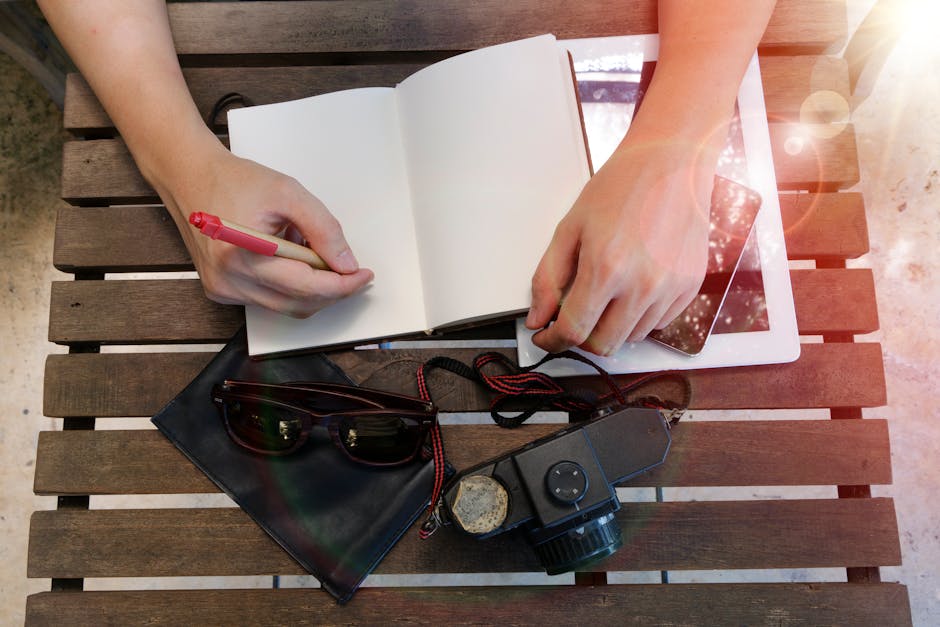
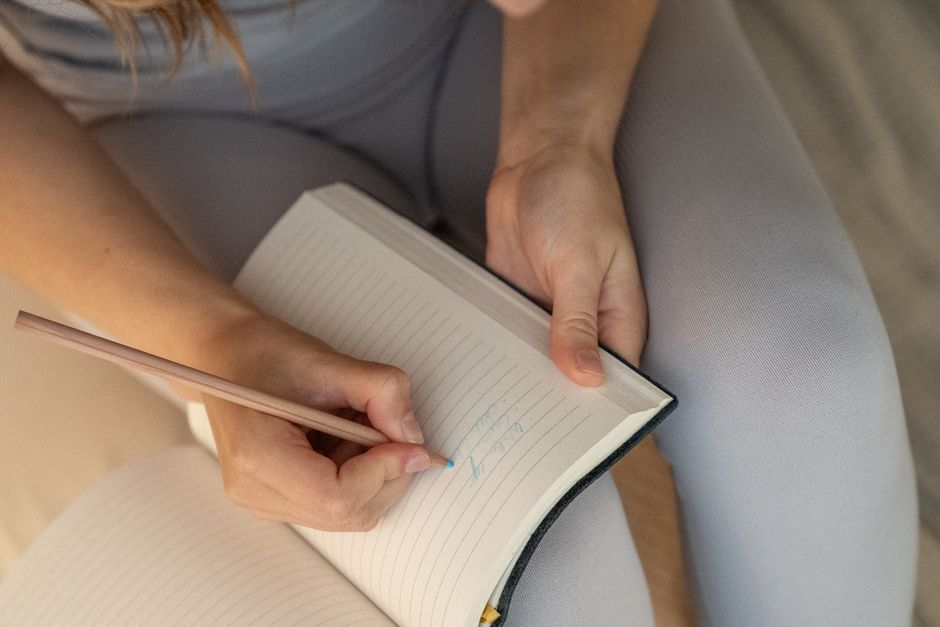
As the clock ticks towards the quiet block after dinner, the small art desk is a familiar sight, cluttered yet inviting. A sketchbook lies open, its crisp pages waiting for the first strokes of creativity, while a coffee mug sits nearby, steam curling into the air. This is the moment when many dive into their creative photo projects, ready to capture inspiration. Yet, more often than not, the pencil remains untouched, the next step unmarked. A simple task like sharpening the pencil can become a barrier, turning enthusiasm into hesitation.
In this space, the friction often stems from overlooked details. The supply tray, filled with colored pencils and markers, beckons, but without a clear starting point, the energy dissipates. The act of opening the sketchbook feels daunting when the pencil needs attention first. This small adjustment—taking a moment to prepare the tools—can mean the difference between a productive session and another missed opportunity. Recognizing these common pitfalls is essential for maintaining a consistent creative habit, especially when the goal is to bring ideas to life through photography.
The Routine That Should Flow Effortlessly
After a few missed days, the desk feels cluttered with the remnants of past creative sessions. A sketchbook lies open, but the pencil is dull, resting in a tray filled with vibrant colors. The anticipation of starting a new creative photo project is palpable, yet the first step often falters. Instead of diving into ideas, the focus shifts to sharpening the pencil, a small yet significant barrier that can derail the entire session. This moment of friction illustrates how easily enthusiasm can wane when the next step isn’t clearly marked.
In an ideal scenario, the routine flows seamlessly. First, gather the materials: a fresh sketchbook, a sharp pencil, and perhaps a cup of coffee to fuel the creative energy. With everything at hand, a quick brainstorming session can kick off the process. Jotting down ideas or sketching thumbnails for potential photos can set a clear direction. Instead of feeling overwhelmed, the focus shifts to drawing, with each stroke bringing the project closer to life. The simple act of opening the sketchbook and starting to draw can transform hesitation into inspiration.
However, without that initial setup, the creative session risks becoming another missed opportunity. The pencil needs sharpening, the sketchbook remains closed, and the ideas linger unexpressed. Recognizing this friction and addressing it—by preparing the tools ahead of time—can create a smoother transition into creativity. The next time the urge to create arises, take a moment to ensure everything is ready to go, eliminating unnecessary delays and inviting a more productive session.
The Moment It All Falls Apart
Opening the sketchbook is often the first step toward a productive creative session at your art desk. However, as you flip through the pages, the excitement can quickly fade when you realize that the next idea isn’t clearly marked. Without a visual cue or a note to guide your thoughts, the blank page feels daunting, and hesitation creeps in. This moment of uncertainty is where many creative photo projects stall, leaving you staring at the page instead of bringing your ideas to life.
Adding to this friction is the pencil that needs sharpening, a small yet significant detail that can derail your momentum. You sit at your desk, coffee mug nearby, and as you reach for the pencil, you remember it’s dull. This simple snag can cause a delay, forcing you to pause and fetch the sharpener. Each second spent not creating adds to the growing sense of drift, making it easier to abandon the session altogether.
To counteract this, consider preparing your workspace ahead of time. Before your next creative block, take a moment to sharpen your pencils and mark your ideas in the sketchbook. A quick check of your supplies can ensure that everything is ready for action, transforming your art desk into a seamless launchpad for creativity. By eliminating these small but impactful delays, you can maintain your flow and keep the creative energy alive, making it easier to dive back into your projects without losing momentum.
This same friction shows up again in Starting New Hobbies Slowly, especially when the day tightens unexpectedly.
A Small Correction That Makes a Big Difference
Returning to your creative photo projects after a few missed days can feel daunting. You sit at your art desk, surrounded by your supplies, yet the thought of starting feels heavy. A quick glance at your pencil reveals it needs sharpening, a small detail that can derail your momentum. Instead of diving into your sketchbook, you find yourself distracted, searching for the sharpener. This interruption not only eats into your creative time but also adds to the mental barrier of getting back into the flow.
To streamline your process, keep a sharpener right on your desk, within easy reach. This way, you can quickly address any tool that needs attention without losing your focus. Additionally, create a list of ideas or prompts in advance that you can refer to when you sit down to create. This can be a simple note on your desk or a page in your sketchbook. When you open your sketchbook, you can immediately see what you want to work on, eliminating the time spent deciding what to do next. By integrating these small adjustments into your routine, you can transform the start of your creative session into a seamless experience, allowing you to jump right back into your projects without unnecessary delays.
What Changes After the Correction
If this pattern keeps repeating, Creative Hobbies For Adults extends the idea without leaving the niche.
With a sharpener now stationed on the art desk, the act of opening the sketchbook transforms from a chore into a simple pleasure. Instead of fumbling around for tools, you can immediately grab your pencil, give it a quick sharpen, and dive into your creative session. This small adjustment eliminates the frustrating delay that often accompanies the start of a project, allowing you to focus on your ideas rather than the logistics of getting started.
In a quiet block of time after dinner, the difference is palpable. You sit down with your coffee mug, the sketchbook already open to a fresh page, and a list of prompts nearby. This setup means less time is wasted on deciding what to create. Instead, you can pick one of the prompts, sketch out an initial idea, and let your creativity flow. The act of drawing becomes more fluid, and you find yourself producing more in this short session than you did in longer, more drawn-out attempts before.
Next time you sit at your desk, the pencil is ready, the prompts are visible, and the only thing left to do is create. This streamlined process not only enhances productivity but also builds a more enjoyable habit of engaging with your creative projects. The once daunting task of restarting after a few missed days now feels inviting, and you can look forward to these moments rather than dread them.
As you settle back into your creative routine, remember that the small adjustments can make all the difference. A simple action like sharpening your pencil before you sit down can eliminate that initial friction, allowing you to dive straight into your sketchbook. If you keep your prompts visible and your supplies organized in the tray, you’ll find that the barrier to starting shrinks significantly.
Next time you find yourself hesitating to begin, check that your art desk is ready for action. Open your sketchbook to a fresh page, and take a moment to ensure your materials are all in place. This small preparation can transform your creative session from a daunting task into a welcoming invitation to explore your ideas.